
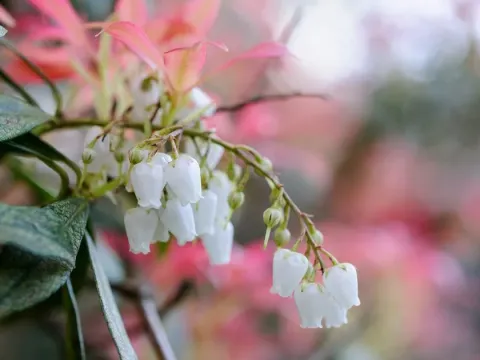
Andromeda hybrids
Andromeda hybrids
Andromeda hybrids are ornamental evergreen shrubs belonging to the Ericaceae family, widely appreciated for their delicate, bell-shaped flowers and compact growth habit. They are popular choices for rock gardens and borders where acid-loving plants thrive.
What the section contains
Andromeda hybrids
These plants require specific environmental conditions to perform well. They prefer locations with dappled shade or full sun in cooler regions, provided that the soil remains consistently moist and cool throughout the growing season.
The most critical requirement is highly acidic soil with a pH level between 4.5 and 5.5. Gardeners should amend the planting area with peat moss, pine needles, or specialized ericaceous compost to create the ideal growing medium for the roots.
Excellent drainage is non-negotiable for Andromeda hybrids. While the plants enjoy moisture, they will quickly succumb to root rot if waterlogged, making raised beds or mounds an ideal planting technique to ensure proper aeration.
These hybrids are generally hardy, but they appreciate a layer of organic mulch, such as wood chips or pine bark, to maintain soil temperature and moisture. This mulch also helps suppress weeds that compete for nutrients in the shallow root zone.
The primary threats to Andromeda hybrids are fungal pathogens that thrive in humid and stagnant air conditions. Diseases like leaf spot and blight can rapidly spread if the plants are crowded or if water remains on the foliage for too long.
Spider mites are common pests that target these shrubs, especially during hot and dry summers. They feed on the underside of leaves, causing mottled appearance and premature leaf drop if left uncontrolled by miticides or water sprays.
Chlorosis is a frequent issue caused by incorrect soil pH or mineral deficiencies. When the soil becomes too alkaline, the plant can no longer absorb essential micronutrients like iron, leading to yellowing leaves and stunted growth.
Aphids can also cluster on new growth in the spring, causing distortion and damage to the plant's aesthetic appeal. Regular monitoring and the application of insecticidal soap can effectively manage these infestations without harming the plant.
Sanitation is a vital aspect of pest and disease management for Andromeda. Always prune and dispose of infected plant tissues immediately to prevent the cycle of infection from continuing throughout the season.