
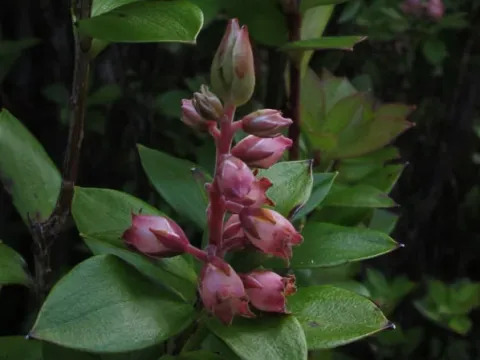
Archeria
Archeria
Archeria is a genus of evergreen shrubs belonging to the Ericaceae family. Native to the temperate regions of Tasmania and New Zealand, these plants are primarily found in moist forest environments and subalpine scrublands where the climate remains relatively cool throughout the year.
What the section contains

Archeria
The cultivation of Archeria requires specific soil conditions, characterized by high acidity and excellent drainage. The ideal substrate is rich in organic matter, such as peat or leaf mold, and must be free-draining to prevent the accumulation of excess water around the root system.
Climate adaptation is a critical factor for success. Archeria thrives in areas with consistent moisture levels and protection from intense, direct solar radiation. High temperatures combined with low humidity can cause irreversible stress, leading to leaf scorch and branch dieback.
Agricultural practices for this crop focus on mulching and moisture management. Applying a layer of acidic mulch helps maintain stable root temperatures and suppresses weed competition. Irrigation must be performed with soft water to ensure that the pH level of the substrate remains within the optimal range.
In terms of usage, Archeria is primarily utilized as an ornamental plant in specialty botanical gardens and landscaping. Its delicate habit and unique bell-shaped flowers make it a desirable choice for collectors who can provide the specialized microclimate required for its healthy development.
The most significant threat to Archeria is root rot, typically caused by Phytophthora species in waterlogged soils. This disease often manifests as a sudden wilting of the foliage, followed by the rapid death of the entire plant, making drainage improvement a priority.
Leaf spot diseases can occur during prolonged periods of damp weather or in stagnant air conditions. Management involves pruning to increase airflow and avoiding overhead irrigation, which keeps the foliage moist and creates an ideal environment for fungal spore germination.
Pests such as spider mites may infest the plants if the air becomes too dry. These pests thrive in indoor or sheltered environments, necessitating regular monitoring and the maintenance of adequate atmospheric humidity to discourage their colonization of the plant tissue.
Soil-borne insects, including various types of weevil larvae, can damage the root system of established shrubs. Integrated pest management strategies, such as physical barriers or biological control agents, are preferred over synthetic chemicals due to the sensitivity of the genus.
Proper sanitation in the garden is essential to prevent the spread of diseases. All diseased plant material should be removed and destroyed immediately to mitigate the risk of pathogen transmission to healthy specimens within the planting area.