
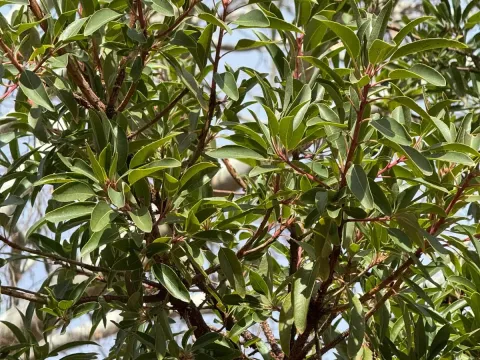
Arizona strawberry tree
Arbutus arizonica
Propagating the Arizona strawberry tree is best achieved through seeds or semi-hardwood cuttings. Seeds require a mandatory cold stratification process for several months to break dormancy and trigger successful germination.
What the section contains
Arizona strawberry tree
The sowing process should be carried out in a well-draining, acidic peat-based mix. Maintaining a stable moisture level is critical during the initial weeks of seedling development to ensure survival.
Once seedlings have developed their second set of true leaves, they should be carefully transplanted into individual pots. The root system is highly sensitive to disruption, so handle with extreme care.
Cuttings taken in late summer should be treated with a rooting hormone to improve success rates. They require a controlled greenhouse environment with high humidity and stable temperatures to root effectively.
Young plants should be acclimated to outdoor conditions slowly over several weeks. This hardening process is essential for young Arbutus arizonica to survive the transition to permanent landscape planting.
As a member of the Ericaceae family, the Arizona strawberry tree thrives in acidic soils. Proper drainage is the most vital requirement for this species, as stagnant water is quickly fatal to its health.
This tree is well-adapted to the dry, mountainous regions of Arizona and Mexico. It shows significant resilience to heat but appreciates consistent moisture during the active growing season in its youth.
Full sun exposure is preferred for optimal density and growth. While the tree can tolerate partial shade, insufficient light will negatively affect its flowering and fruit production.
Regular mulching is highly recommended to protect the root system from extreme temperature fluctuations. Choose organic mulches that further promote the acidic soil conditions the plant prefers.
Fertilization should be handled cautiously using balanced, slow-release fertilizers formulated for ericaceous plants. Avoid high-nitrogen fertilizers that could cause excessive, weak vegetative growth.
Root rot caused by Phytophthora species is the most common threat to the Arizona strawberry tree. This disease is almost always linked to poor drainage or overwatering habits in the garden.
Pests such as scale insects and spider mites can occasionally affect the foliage, especially in dry greenhouse conditions. Monitoring for these pests should be a regular part of maintenance.
Leaf spots caused by fungal pathogens can appear during periods of high humidity. Improving airflow around the canopy and ensuring the foliage stays dry are effective preventative measures.
Winter damage may occur in colder climates if the tree is not properly hardened. Young specimens are particularly vulnerable and may require protective wraps during extreme frost events.
Integrated pest management strategies are ideal for this species. Using horticultural oils and mild soaps can manage infestations without harming the plant's delicate tissues.
The harvest season for Arbutus arizonica occurs in late autumn. The small, round fruits turn from yellow to a deep, vibrant red when they are fully ripe and ready for picking.
The flavor of the fruit is mild and sweet, making it a popular choice for artisanal preserves, jellies, and jams. Because they are highly perishable, fresh fruits should be used shortly after harvest.
Harvesting is typically done by hand. Due to the delicate nature of the berries, avoid piling them in deep containers, which can cause them to bruise and decompose quickly.
The tree provides both ornamental value and edible fruit, making it a multifunctional plant for residential landscapes. Its peeling, reddish-brown bark also adds significant year-round interest.
Yields are generally moderate, but with proper care and adequate hydration during the summer months, the tree can produce a consistent and reliable harvest every single year.