
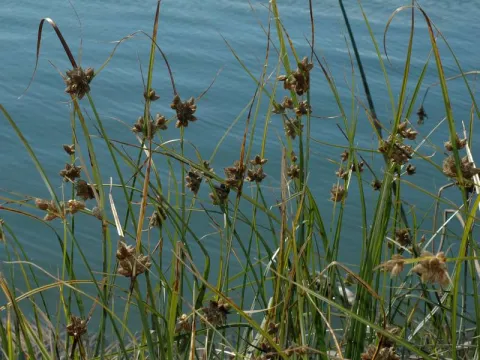
Chinese water chestnut
Scirpus tuberosus
Chinese water chestnut is a perennial herbaceous plant belonging to the Cyperaceae family. It is typically propagated vegetatively using corms or tubers produced during the previous growing season.
What the section contains
Chinese water chestnut
Planting is conducted in spring when the water and soil temperatures reach approximately 12–15 degrees Celsius. This timing is critical for establishing a strong root system before the heat of summer.
The tubers should be planted at a spacing of 40 to 60 centimeters apart to allow sufficient space for the spreading rhizomes. This layout ensures adequate light penetration for the growing foliage.
Optimal planting depth is between 5 and 10 centimeters into the soft mud. Shallow planting may expose the tubers to drying, while excessive depth can delay sprout emergence.
Select open areas with plenty of direct sunlight, as the plant requires intensive solar exposure to maximize the accumulation of starch within the developing corms.
The plant thrives in saturated soil conditions, requiring a constant water depth of 5 to 30 centimeters throughout the primary vegetative stage.
Ideal soil for this crop consists of nutrient-rich silt or organic loam with a near-neutral pH. High salinity or extreme acidity should be avoided as they inhibit root development.
The water temperature should ideally range between 20 and 25 degrees Celsius for rapid biomass development. Maintaining consistent water levels is crucial to prevent plant stress.
The aquatic environment must be kept free of heavy contamination. Periodic flushing of the water body helps maintain the oxygen levels required for healthy tuber formation.
While the crop is hardy, providing balanced organic nutrients through sediment enrichment can significantly increase the size and quality of the final harvest.
Yields are highly dependent on the length of the growing season, which typically lasts for about 150 to 180 days in suitable temperate conditions.
High-performing fields can produce 15 to 20 tons of harvestable tubers per hectare under optimal agronomic management and favorable climate conditions.
The size of individual tubers varies, typically weighing between 20 and 50 grams each. Effective weed management during the early growth stages is essential for maximizing yield.
Productivity is measured by the total weight of the healthy, starch-filled tubers harvested after the vegetative senescence of the plant's aerial parts.
Consistent water management is the most significant factor influencing yield stability, ensuring that the plant allocates energy to tuber growth throughout the season.
Root rot caused by stagnant water conditions and poor circulation is a major threat, particularly in warmer, highly organic water bodies where pathogens thrive.
Various aquatic insect larvae and snails can cause damage to the young shoots and underground rhizomes, potentially reducing both plant vigor and quality.
Common threats to the crop include:
- rhizome rot;
- aquatic pests;
- invasive weed competition;
- uncontrolled water temperature fluctuations.
Integrated pest management, including water circulation and planting density regulation, is preferred over chemical interventions to protect the aquatic ecosystem.
Preventative measures, such as sourcing healthy planting material and maintaining good water quality, are the best defense against common diseases.
Harvesting usually begins in late autumn once the aerial foliage yellows and withers, indicating that the starch has fully migrated to the underground tubers.
The harvesting process involves draining the paddies to facilitate mechanical excavation or using manual methods to collect the tubers from the soft muddy substrate.
After collection, the tubers must be thoroughly washed to remove mud and sorted by size before being packed for market or long-term storage.
Post-harvest storage requires a cold, high-humidity environment to prevent the tubers from dehydrating or sprouting prematurely before they reach the consumer.
Some growers prefer to leave a portion of the crop in the field until early spring, relying on the natural environment to keep the tubers fresh until the next planting season.