
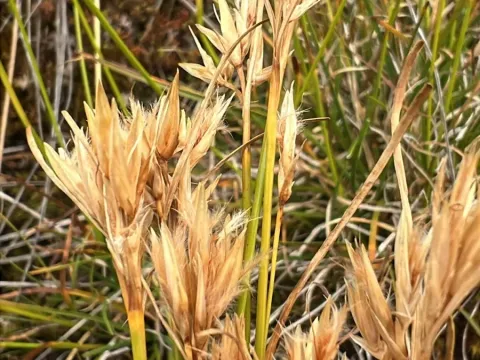
Carpha
Carpha
The genus Carpha belongs to the Cyperaceae family, comprising perennial herbaceous plants that are typically adapted to specific wetland or alpine environments.
What the section contains

Carpha
In a cultivation context, planting is best performed during the early spring season, ensuring soil temperatures are conducive to germination and initial root development.
Direct seeding or transplanting should occur in well-prepared beds, as these plants are sensitive to competition from aggressive pioneer weed species in their early growth stages.
Seed stratification may be necessary for wild-collected specimens to overcome dormancy, a common trait in plants originating from cooler or high-altitude climates.
Maintaining proper spacing is essential to ensure adequate airflow around the base of the plants, which helps to reduce the incidence of moisture-related pathogens.
Carpha species thrive in moist to waterlogged soil conditions and are naturally found in areas with high organic matter content and consistent precipitation.
Climate preferences include cool-temperate or oceanic conditions, as these plants generally lack high tolerance for prolonged heat waves or extreme drought.
Regarding soil chemistry, a slightly acidic to neutral pH is optimal, mirroring the nutrient-rich yet distinct soil profiles of their natural habitats.
High solar radiation exposure is necessary for the plant to achieve its potential biomass, although it can tolerate partial shading in extremely hot climates.
Agronomic management must prioritize water retention capabilities in the soil, utilizing mulch or specific substrate compositions to prevent dehydration of the root zone.
Fungal pathogens represent the most significant threat to Carpha populations, particularly under conditions of poor ventilation or excessive atmospheric humidity.
Herbivorous pests, including various larvae and small rodents, may feed on the tender shoots during the spring growth flush, necessitating protective measures.
Root rot, induced by stagnant water combined with soil-borne pathogens, can lead to rapid deterioration of the plant's structural integrity if not addressed.
Integrated pest management strategies focusing on biological control are recommended to maintain the health of the plants without disrupting local ecosystems.
Early detection through frequent site inspections is critical, as minor infestations can escalate quickly in densely planted rows or naturalized patches.