
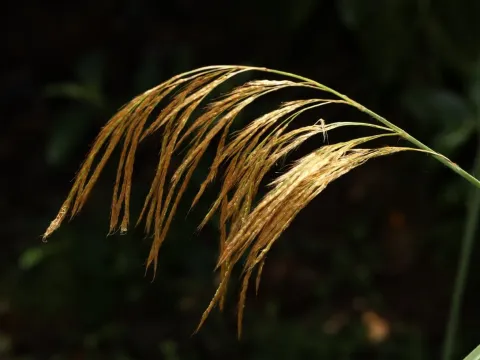
Sclerostachya
Sclerostachya
Sclerostachya is a genus of perennial grasses belonging to the Poaceae family. These plants are known for their robust growth habit and significant biomass production, which makes them a subject of interest for agricultural research in tropical regions.
What the section contains
Sclerostachya
The native range of Sclerostachya is primarily focused in South and Southeast Asia, including countries like India and China. The species thrive in warm and humid environments, often occupying riparian zones where moisture availability is consistently high throughout the growing season.
Climatic requirements are strictly tropical or subtropical, as the plant lacks cold tolerance. Optimal development occurs in areas with high annual temperatures and substantial rainfall, ensuring that the plant can maximize its photosynthetic capacity without thermal stress.
In terms of soil preference, these grasses perform best in nutrient-rich, well-drained loamy soils. However, they are also known for their adaptability to alluvial soils, where their extensive root system helps in soil stabilization and nutrient absorption in waterlogged conditions.
The primary economic use of Sclerostachya revolves around its biomass as a feedstock for fiber and cellulose production. Additionally, it serves ecological purposes in soil conservation, effectively preventing erosion in vulnerable areas, and can provide supplemental forage in pastoral systems.
The crop is susceptible to various fungal pathogens that flourish in humid climates, including leaf rust and blight. Pests such as stem-boring insects are common threats that can significantly impact the quality and total yield of the harvested biomass if not properly managed.