
Chufa
Cyperus moveus
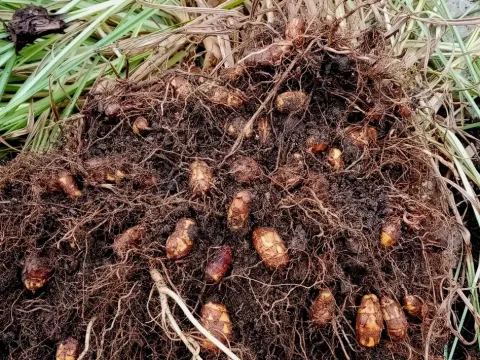
Chufa, botanically known as Cyperus esculentus and commonly referred to as tiger nut, is a perennial plant of the Cyperaceae family. It is typically grown as an annual crop for its edible tubers which develop underground.
What the section contains
Chufa
The planting season is dictated by the need for warm temperatures, as the crop is sensitive to cold. Sowing occurs in late spring, once the soil has warmed up to at least 12–15 degrees Celsius, ensuring favorable germination.
Prior to sowing, the tubers should be soaked in water for 24 to 48 hours to hydrate them and stimulate sprouting. This preparation step is crucial for achieving uniform plant emergence in the field.
Seeds are spaced 20–30 cm apart within rows, with 40–60 cm between rows. This spacing is necessary to provide each plant with enough room for vegetative development and the expansion of the root system where tubers form.
The tubers are planted at a depth of 5–7 cm. Proper depth ensures that the plant emerges strongly while allowing the root system to establish quickly in the moist, warm topsoil layers.
Chufa thrives in full sun and requires well-drained, fertile sandy or loamy soils. Heavy, waterlogged clay soils should be avoided as they inhibit tuber development and increase the risk of fungal pathogens.
Consistent moisture is essential during the early stages of growth, particularly during the development of the leaf rosette. However, irrigation must be managed carefully to avoid waterlogging, which can damage the maturing tubers.
The plant performs best at temperatures between 20 and 25 degrees Celsius. Growth slows significantly if temperatures drop below 10 degrees, making it suitable for temperate and warm climates with long growing seasons.
Fertility management should focus on incorporating organic matter, such as well-rotted compost, into the soil before planting. Potassium-rich fertilizers can further enhance tuber quality and shelf life.
Hilling up or earthing up the rows is a critical agricultural practice. This process encourages the plant to produce more stolons and consequently more tubers, significantly increasing the potential harvest per plant.
Yields of chufa are highly dependent on the length of the frost-free season and the quality of the soil. A well-managed crop can produce between 500 and 800 grams of tubers per square meter of cultivation area.
The bulk of tuber production occurs late in the season. Ensuring the crop remains healthy through the late summer is vital for maximizing the size and number of tubers harvested in the autumn months.
Crop rotation is recommended to prevent the buildup of soil-borne pests and diseases. Chufa should not be grown on the same plot for more than two consecutive years to maintain soil health and vigor.
The nutritional profile of the harvested tubers—rich in oils, proteins, and sugars—makes them a highly valuable crop. They are utilized in the food industry for flour, oil extraction, and traditional beverages.
Proper management of the canopy allows the plant to maximize photosynthesis. A robust, green canopy throughout the season is usually a reliable indicator of a healthy and productive underground harvest.
Chufa is generally a hardy crop, but it can be susceptible to root rots if soil drainage is inadequate. Prevention is primarily achieved through site selection and careful water management throughout the growing season.
Soil-dwelling pests like wireworms can pose a threat to the developing tubers. Maintaining clean fields by controlling wild grasses, which often serve as hosts for these pests, is a recommended strategy.
Leaf-feeding insects or mites can sometimes affect the plant during hot, dry spells. Monitoring the foliage and using biological control measures is usually sufficient to manage these infestations without resorting to harsh chemicals.
Weed competition is the greatest threat in the early stages. Since chufa is slow to establish, regular cultivation or mulching is required to ensure that weeds do not shade out the young plants.
Implementing a strict sanitation program for tools and equipment helps prevent the accidental introduction of pathogens into the growing area. Overall, the crop is relatively low-maintenance once it has established.
Harvesting takes place in autumn, typically in October, once the foliage begins to yellow and die back. This indicates that the tubers have reached maturity and are ready to be lifted from the soil.
Mechanical harvesting using specialized lifters or manual digging with forks are the standard methods. Care must be taken to minimize tuber damage, as broken skin can lead to spoilage during storage.
Post-harvest cleaning involves removing soil and debris, followed by a thorough drying process. Tubers should be spread out in a dry, ventilated area until they are hard and free of excess moisture.
For storage, the dried tubers should be placed in breathable containers or bags. Keeping them in a cool, dark environment at temperatures between 5 and 10 degrees Celsius will preserve their quality for months.
The finest, largest tubers should be set aside as seed stock for the next year. These should be stored separately, ensuring they remain dry and cool to maintain high germination rates for the following season.