
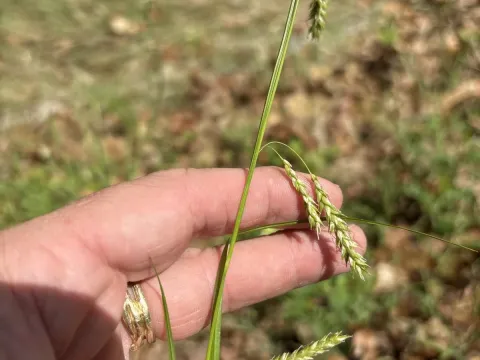
Cherokee sedge
Carex cherokeensis
Cherokee sedge, known scientifically as Carex cherokeensis, is a perennial plant belonging to the Cyperaceae family. It is recognized for its elegant foliage and versatility in various garden and landscape applications.
What the section contains
Cherokee sedge
The primary method of propagation for this species is the division of clumps during the early spring or autumn. This vegetative approach ensures the retention of the plant's natural characteristics and promotes rapid establishment.
Propagation from seed is also feasible, provided that the seeds undergo a period of cold stratification to overcome dormancy. Sowing in greenhouse conditions during late winter typically yields the best results for seedling development.
Once seedlings have reached sufficient size and outdoor conditions are favorable, they can be transplanted into prepared soil. Maintaining adequate spacing between plants is crucial to allow for mature spread and airflow.
The species prefers well-prepared seedbeds enriched with organic matter, which supports vigorous root growth and the development of the characteristic arching leaves associated with this sedge.
Cherokee sedge thrives in partial shade but exhibits good tolerance for filtered sunlight. It requires consistent moisture, making it an excellent choice for sites near water or in areas with high humidity levels.
The soil should be rich in nutrients and have good water-retention capabilities. While it prefers moist environments, it does not tolerate permanent standing water in poorly drained soils during the dormant season.
Climatically, this sedge is adapted to mild and warm regions. It demonstrates robust winter hardiness, provided the crown of the plant is protected from severe desiccation in extreme temperature fluctuations.
Regular irrigation is highly recommended during the peak growing season to maintain the plant's lush appearance. In periods of drought, supplemental watering is necessary to prevent the leaves from browning.
An annual pruning in early spring is standard agronomic practice to remove old foliage. This process stimulates fresh growth and ensures the plant remains compact and visually appealing throughout the season.
Cherokee sedge is noted for its inherent resistance to most common plant diseases. Its natural physiology makes it a low-maintenance choice for professional landscape projects and naturalized areas.
Fungal issues, such as leaf spot, may arise if the plant is grown in areas with poor air circulation or excessive shade combined with high humidity. Proper spatial management helps mitigate these risks.
Pests such as snails and slugs can occasionally damage young leaves during wet spring weather. These can be managed through cultural practices like maintaining clean surroundings and removing dense debris.
Vigilance is advised to prevent the buildup of stagnant water around the root zone, as this remains the most common factor leading to root health degradation in containerized or poorly drained plantings.
By implementing integrated pest management, growers can ensure the health of Cherokee sedge populations without the need for intensive chemical interventions, preserving the local ecosystem.