
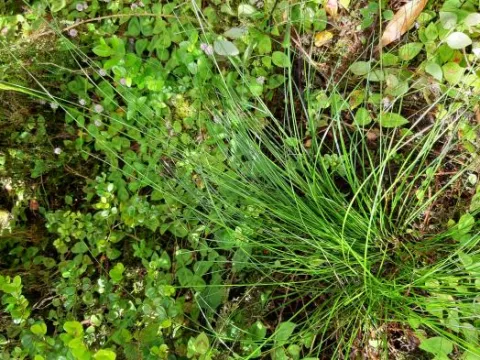
Carex vulcani
Carex vulcani
Carex vulcani is a perennial herbaceous plant belonging to the Cyperaceae family. It is distinct for its specific physiological adaptation to volcanic soil environments, which grants it remarkable resilience in poor or mineral-rich soil conditions compared to other sedge species.
What the section contains
Carex vulcani
The plant thrives in regions where moisture is abundant but not stagnant, mirroring its natural distribution. When cultivating this species, it is essential to mimic these ecological preferences by providing well-draining but consistently moist soil to ensure optimal development of the root mass.
Regarding climate, Carex vulcani is hardy and adapts well to various temperate conditions. It prefers locations with partial to full sun exposure, though it can tolerate light shade. Proper air circulation is crucial to prevent the accumulation of heat and humidity that could cause physiological stress.
Soil requirements involve maintaining a neutral to slightly acidic pH, which supports the plant's nutrient uptake. Incorporation of organic matter into the soil profile can improve texture and water retention capacity, which is particularly beneficial during the establishment phase of the sedge.
The plant's landscape use is highly valued for its dense foliage, which serves as an excellent ground cover. Its ability to thrive in specialized soil types makes it an ideal candidate for soil stabilization in erosion-prone areas or as a decorative element in rock gardens and wetland features.
Fungal diseases are the primary threat to Carex vulcani, often occurring when the planting environment lacks proper drainage or airflow. Fungal infections can manifest as leaf spots or crown rot, which may compromise the structural integrity of the plant if left untreated.
Pests, primarily sap-sucking insects such as aphids or spider mites, may infest the plants during periods of prolonged heat and drought. Implementing integrated pest management strategies is recommended to protect the vigor of the plant without relying heavily on synthetic chemicals.
Inappropriate fertilization schedules pose a significant risk, as high nitrogen levels induce succulent growth that is more susceptible to both mechanical damage and pest attacks. Using slow-release fertilizers is a more sustainable approach for maintaining health.
Weed competition is particularly challenging during the first year of growth, as the sedge is relatively slow to establish its dominance. Mulching the base of the plant effectively suppresses weed germination and retains soil moisture, reducing the need for intensive weeding.
Sanitation practices, including the removal of dead foliage at the end of the season, are critical for preventing the overwintering of pathogens and pests within the dense mats of the sedge. This keeps the plant healthy for the following growing cycle.