
Scleropoa
Scleropoa
Scleropoa is a genus of annual grasses belonging to the family Poaceae. These plants are widely recognized for their ability to thrive in harsh, dry environments where other species often fail to germinate.
What the section contains
Scleropoa
The native range of this grass is primarily within the Mediterranean basin, extending to various dry regions. It is frequently found in rocky outcrops, sandy soils, and coastal areas, demonstrating high edaphic flexibility.
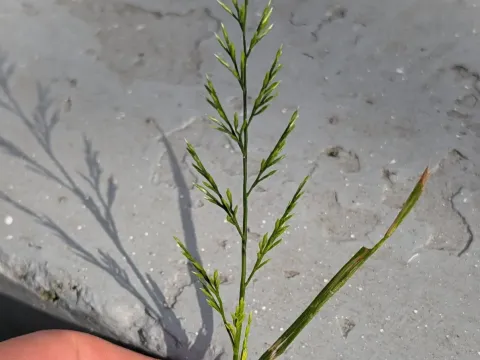
Botanically, Scleropoa species are characterized by their slender stems and compact, often stiff, panicle inflorescences. The life cycle is typically ephemeral, allowing the plant to complete flowering and seed set before the peak summer heat.
In terms of soil requirements, the plant prefers well-drained, nutrient-poor substrates. It is highly tolerant of neutral to alkaline pH levels, reflecting its adaptation to limestone-rich soils found in many parts of its natural distribution.
Agricultural use of Scleropoa is mainly focused on rangeland forage improvement and erosion control in arid climates. It serves as a resilient vegetation cover that helps stabilize topsoil against wind and water erosion.
Scleropoa, while robust, can be susceptible to fungal pathogens like rusts if persistent humidity creates favorable conditions for spore germination.
Common pests such as cereal aphids or grass-specific beetles can sporadically attack the vegetation, although significant crop loss is rarely observed in natural stands.
Overgrazing remains a significant threat, as it reduces the plant's ability to produce sufficient seeds for the following season's propagation.
Competition from invasive broad-leaf weeds can also suppress Scleropoa populations if the soil fertility is artificially increased.
Managing the habitat through controlled grazing cycles is the most effective biological control method to ensure the long-term survival of this grass in pastoral systems.