
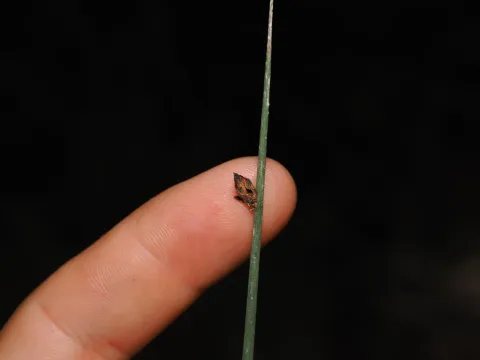
Lepironia
Lepironia
Lepironia (Lepironia articulata) is a perennial herbaceous plant belonging to the Cyperaceae family. In its natural habitat, it propagates mainly through rhizome expansion, creating dense stands in shallow wetland areas. For commercial cultivation, vegetative division of mature clumps is the standard method for establishing new plantations.
What the section contains
Lepironia
The planting season typically begins after the threat of frost has passed, once water temperatures reach approximately +18 to +22 degrees Celsius. Proper timing ensures a high survival rate for transplants, allowing the root system to establish quickly in the nutrient-rich sediment.
Plants are set directly into the substrate in shallow water, usually at depths between 10 and 30 centimeters. Spacing is crucial to allow the plant enough room to spread and to ensure that all stems have adequate access to light and oxygen within the aquatic environment.
The species exhibits robust growth and can produce multiple harvests if managed correctly. By dividing existing plantations, growers can maintain a continuous supply of material without the need for frequent re-sowing or significant soil disturbance.
Successful establishment depends on water stability. During the initial rooting phase, it is vital to maintain consistent water levels to prevent desiccation of the developing shoots, which are particularly vulnerable before they become fully acclimatized to the aquatic site.
As a helophyte, Lepironia requires specific environmental conditions, primarily permanent saturation. The presence of a stable water column serves as both a protective layer for the rhizomes and a source of essential nutrients derived from the decomposition of aquatic organic matter.
The plant thrives in peat-rich or silty substrates with neutral to slightly acidic pH levels. It is well-adapted to tropical and subtropical climates, preferring regions where temperatures remain conducive to active growth throughout the majority of the year.
Abundant sunlight is a fundamental requirement for photosynthesis and the development of long, structural, and flexible stems. Inadequate light levels can result in thin, brittle stalks that lack the tensile strength necessary for professional weaving applications.
Water quality management is a cornerstone of Lepironia agrotechnics. High levels of industrial pollution or excessive salinity can severely impact the fibers' color, durability, and commercial value, potentially rendering the harvest unsuitable for high-end markets.
Technological requirements include the ability to control water levels in the plantation zone. Proper circulation is needed to prevent stagnation, which can promote the growth of unwanted algae or lead to anaerobic conditions that negatively affect plant health.
The yield of Lepironia is measured in terms of dry biomass suitable for industrial use. Productivity typically peaks around the third or fourth year of establishment, as the rhizome network reaches its maximum density and covers the entire designated area.
Efficiently managed plantations can produce several metric tons of high-quality raw material per hectare annually. Consistent yields allow for long-term supply agreements with manufacturers of eco-friendly mats, baskets, and decorative items.
Yield stability is strongly influenced by the regularity of the harvesting cycle. Pruning the plants encourages the emergence of new, vigorous stems in the subsequent season, which helps maintain high biomass production over many years of intensive farming.
Economic performance is closely linked to the harvest's quality. While biomass weight is important, the ratio of premium-grade, defect-free stems determines the final profit margin for the grower, emphasizing the need for meticulous care during the growing phase.
In optimal conditions, the plantation remains highly productive for decades. This longevity, combined with low input requirements after the initial establishment phase, makes Lepironia an economically viable option for wetland utilization.
The primary threats to Lepironia include fungal pathogens that thrive in stagnant water or areas with poor aeration. Maintaining water flow and avoiding over-dense planting helps mitigate these risks and promotes a healthy growing environment.
Certain aquatic insects and mites can cause localized damage to the stems. Regular scouting and adherence to integrated pest management principles are necessary to detect and manage these outbreaks before they impact the quality of the commercial crop.
Invasive weed species pose a significant threat during the early stages of establishment. They compete for sunlight and nutrients, and if left unchecked, can suppress the growth of the crop and complicate the harvesting process.
Soil and water salinity levels must be monitored carefully. Exceeding the plant's tolerance threshold leads to stunted growth and a loss of fiber flexibility, which is a major quality defect for potential buyers in the handicraft sector.
Poor harvest timing is a non-pathogenic threat that can compromise the crop. Waiting too long leads to over-maturation, resulting in stalks that are prone to breakage and lack the pliable nature required for intricate weaving techniques.
Harvesting is typically performed using manual specialized sickles or light mechanical harvesters adapted for shallow water operations. The harvest must be timed precisely to capture the stems at their peak structural strength while maintaining their green color.
Post-harvest processing involves immediate grading based on stem length and diameter. This categorization is essential for manufacturers, as different sizes are required for specific types of woven products and technical applications.
Drying is a critical stage that must take place in well-ventilated, shaded areas. Protection from direct sunlight is necessary to prevent premature oxidation, which causes discoloration, and to ensure the stem remains flexible instead of becoming brittle.
Stored raw materials must be kept in dry conditions to prevent mold formation and structural degradation. Facilities should be equipped with proper climate control and pest-proof storage systems to safeguard the quality of the inventory for extended periods.
Final quality control involves inspecting the dried stems for blemishes, insect damage, or fungal stains. High-quality Lepironia fiber is characterized by a uniform, golden-green hue and exceptional flexibility, which are highly valued in the sustainable design industry.