
Leers' sedge
Carex leersii
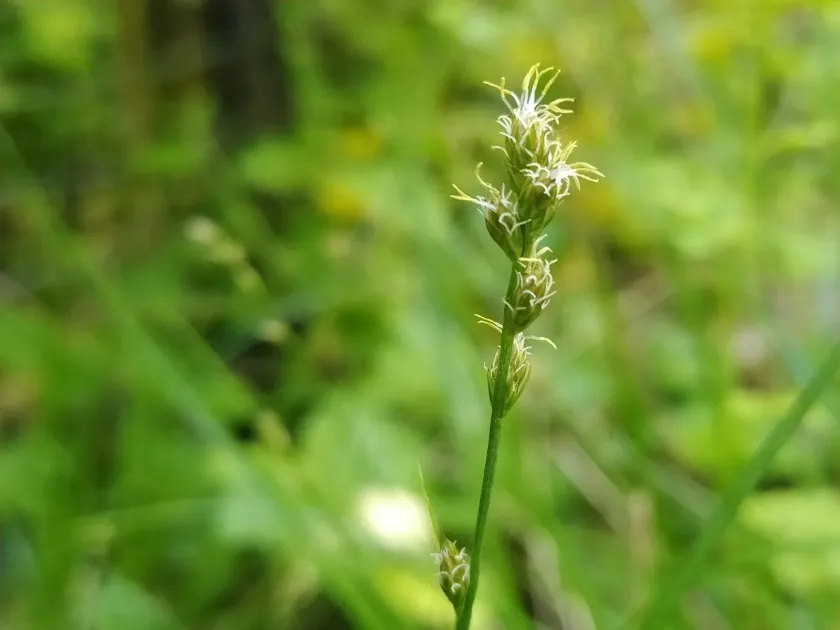
Description
Growing requirements
Leers' sedge (Carex leersii) is a perennial herbaceous plant belonging to the Cyperaceae family. It is known for forming dense tussocks, which are vital for maintaining soil structure in wetland environments.
The plant originates from regions with temperate climates, typically inhabiting damp meadows, fens, and riparian zones. Its ability to tolerate waterlogged conditions makes it a valuable species for managing agricultural lands that are unsuitable for traditional cereals.
Regarding soil requirements, this species thrives in moisture-retentive soils that are rich in organic matter. It prefers a pH range that is slightly acidic to neutral, performing optimally in environments with consistent water tables throughout the growing season.
Cultivation practices focus on site selection and water management. Unlike intensive crops, Leers' sedge requires minimal chemical intervention, relying on the natural nutrient cycling of wetland ecosystems to sustain its biomass production.
In agricultural practice, it is primarily used in mixed hay meadow systems. Its dense root system is highly effective at soil stabilization, helping farmers prevent erosion in areas prone to seasonal flooding or high runoff.
Main diseases and pests
Common pathological threats include fungal infections such as leaf rusts, which become problematic in areas with poor ventilation and stagnant high humidity conditions.
Insects, particularly larval stages of various moths, are known to feed on the foliage. While usually not catastrophic, significant infestations can reduce the quality of forage harvested from the land.
Overgrazing poses a significant risk to the longevity of the plant, as it damages the basal meristem and prevents the sedge from effectively overwintering and regenerating.
Shifts in local hydrology, such as excessive drainage, create favorable conditions for invasive or non-wetland species, which outcompete the sedge for resources.
Effective management includes maintaining a balanced harvest schedule and ensuring that the water table remains within the ecological tolerance limits of the species.