
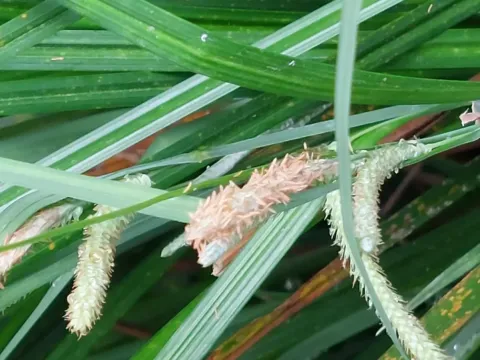
Lenticular sedge
Carex phacota
Lenticular sedge (Carex phacota) is a robust perennial herb belonging to the Cyperaceae family. It is widely distributed across Asian tropical and subtropical wetlands, where it thrives in moist environments such as riverbanks, marshes, and saturated agricultural landscapes.
What the section contains
Lenticular sedge
Botanically, this species is identified by its triangular stems and distinctively lenticular-shaped fruits. Its extensive root system acts as a natural stabilizer for soils, making it an excellent candidate for erosion control in areas with high water tables or flood-prone terrain.
The plant requires consistently moist or waterlogged conditions to reach its maximum biomass potential. It performs best in nutrient-rich alluvial soils, although it shows significant adaptability to different soil pH levels as long as the moisture requirement is met throughout the growing season.
Agricultural management of Carex phacota focuses on maintaining hydro-period stability. In specialized cultivation, it is often used in phytoremediation projects, where its ability to absorb nutrients from wastewater contributes to improving water quality in agricultural drainage systems.
Economically, the sedge provides a durable fiber source for local handicrafts and weaving industries. Its hardiness and ability to outcompete other opportunistic weeds make it a low-maintenance choice for ecological restoration projects aimed at rehabilitating degraded marshlands.
Diseases such as leaf rust, caused by various Puccinia fungi, represent a primary biological threat to lenticular sedge. These infections thrive in humid, stagnant conditions, leading to necrosis of the foliage and significant yield losses if not managed with proper spacing.
Various insect pests, including mining fly larvae and stem-boring beetles, can cause localized damage to the stalks. These pests are particularly active during seasonal transitions, which requires farmers to implement preventive scouting and maintain the vitality of the plant stand.
Competition from fast-growing invasive weeds is a recurring challenge that requires active management. If not properly monitored, aggressive non-native species can outcompete the sedge, particularly during the establishment phase of a new plantation.
Mechanical degradation caused by overgrazing or unauthorized traffic in the growing zones leads to soil compaction and root damage. Limiting animal access and implementing rotational cutting schedules help preserve the health and longevity of the sedge beds.
Climate-induced stress, particularly prolonged drought, weakens the natural resistance of the plants to pathogens. Providing supplementary irrigation during dry spells is crucial to ensure that the culture remains resilient against secondary pest infestations and fungal outbreaks.