
Leatherleaf sedge
Carex buchananii
Description
Growing requirements
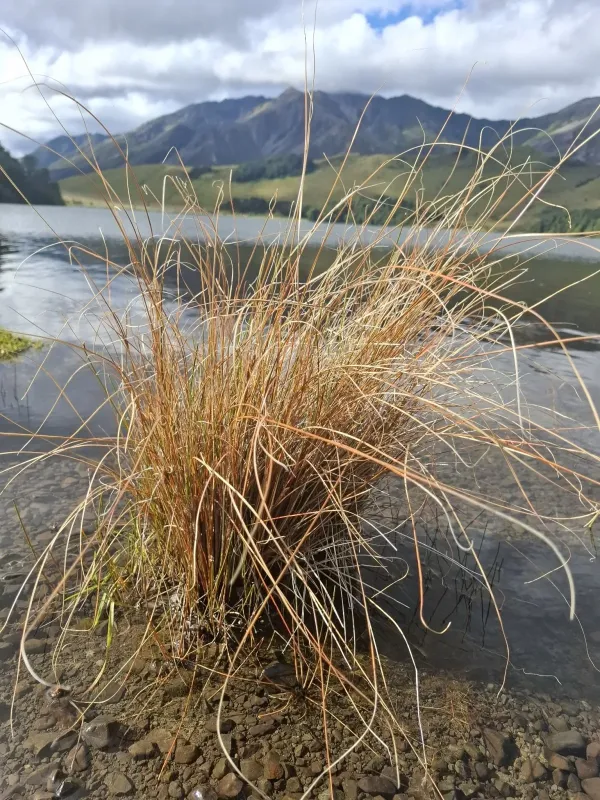
Leatherleaf sedge (Carex buchananii) is a perennial grass-like plant belonging to the Cyperaceae family. It is highly valued in horticulture for its distinct coppery-brown foliage and upright, hair-like appearance.
Originating from New Zealand, this plant is naturally adapted to open, airy landscapes. In modern agriculture and gardening, it serves as a staple ornamental species for containers, rock gardens, and mass plantings.
The plant requires full sun to partial shade to thrive. Sunlight is the primary factor influencing the intensity of the bronze color; without adequate light, the plant tends to turn green and lose its ornamental appeal.
Soil requirements focus on excellent drainage. Carex buchananii is sensitive to waterlogged conditions, which can lead to rapid decay of the crown, especially during the dormant winter months when the plant is less active.
Maintenance involves minimal irrigation once the plant is established. It shows good drought tolerance, making it an excellent choice for low-maintenance xeriscaping or sustainable landscape design projects.
Main diseases and pests
The most significant threat to Leatherleaf sedge is root rot caused by poor soil drainage. If the substrate remains too wet, the roots lose their functionality, leading to the collapse of the entire clump.
While generally resistant to severe insect infestations, the plant can occasionally host spider mites in hot and dry climates. These pests thrive on dry, stressed foliage, sucking sap and causing the leaf tips to brown.
Disease management is largely preventative. Ensuring that the crown of the plant stays dry and that the root zone has enough aeration is the most effective way to avoid fungal infections.
Slugs and snails may occasionally feed on young growth during cool and humid springs. Protective measures such as gravel mulching often help reduce their access to the sensitive plant base.
Regular grooming of the plant is recommended to remove dead tissue or winter damage. By maintaining a clean growing environment, the risk of pathogen buildup is significantly reduced throughout the season.