
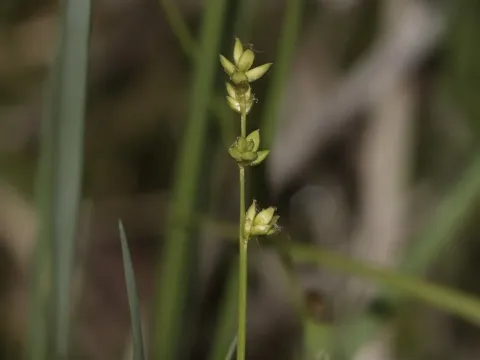
Lolium-like sedge
Carex loliacea
Lolium-like sedge (Carex loliacea) is a perennial herbaceous plant belonging to the Cyperaceae family. It is recognized for its slender growth habit, with heights typically ranging from 15 to 40 centimeters.
What the section contains
Lolium-like sedge
The distribution range of this species covers the boreal and temperate zones of Europe and Asia. It is primarily found in wetland ecosystems, including forested swamps, peat bogs, and sites with high groundwater levels.
The species has specific soil requirements, preferring acidic or semi-acidic soils rich in organic matter. Its physiological adaptation to saturated soil conditions makes it a key component of specific hydrophytic plant communities.
Climatic requirements are focused on cold-to-temperate conditions. The plant is highly frost-hardy and requires sustained moisture levels throughout the growing season to ensure optimal physiological function.
From an agricultural standpoint, Carex loliacea is not an intensive crop. It is mainly valued for its ecological role in stabilizing wetland environments and contributing to the biodiversity of natural pastures and forests.
The most significant threat to the Lolium-like sedge is habitat destruction through drainage and land reclamation. These practices permanently alter the hydrological conditions required for the survival of the species.
Pathogenic threats include various rust fungi that can infect the foliage. These diseases are often exacerbated by humid, stagnant conditions which occur naturally in the plant's native boggy habitat.
Insect pests, such as leaf-mining flies or certain moth larvae, can occasionally damage the foliage, though they rarely pose a threat to the entire population unless the ecological balance is disrupted.
Invasive plant species can outcompete Carex loliacea when the natural environment is degraded or altered by human activity, leading to a decrease in its local abundance.
Overall, the vulnerability of this sedge to chemical contamination and nutrient imbalances in the soil makes it a sensitive bioindicator for the health of its unique wetland ecosystem.