
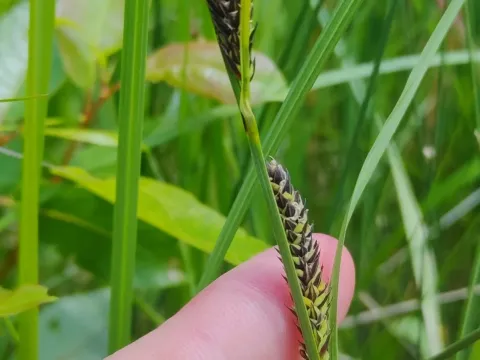
Carex vacillans
Carex vacillans
Carex vacillans is a resilient perennial herbaceous plant belonging to the Cyperaceae family, widely recognized for its adaptability to specific hydrological conditions.
What the section contains
Carex vacillans
Originating from temperate regions, this species naturally inhabits wetlands, riverbanks, and marshy meadows, where it plays a crucial role in maintaining soil structure and water filtration.
The plant requires consistently moist soil conditions to thrive. It performs best in nutrient-rich, neutral to slightly acidic soils that allow for robust root system expansion.
Climatic requirements are focused on moderate temperatures and consistent rainfall, as the species is sensitive to prolonged drought periods which impede vegetative growth.
Botanically, it features narrow, linear leaves and distinct inflorescence structures, showing morphological adaptations to fluctuating water levels in its native environment.
In agricultural settings, Carex vacillans is primarily valued for its utility in land reclamation and soil stabilization projects rather than intensive grain production.
As a forage source, it is utilized in extensive livestock grazing systems, often mixed with other wetland grasses to provide a sustainable source of biomass for cattle.
The yield of biomass is dependent on the management of soil water levels; stable, high moisture content ensures maximum vegetative growth throughout the season.
Ecologically, the plant acts as a natural filter, making it an excellent candidate for constructed wetlands intended for wastewater treatment and nutrient runoff management.
Harvesting strategies typically involve infrequent cutting or grazing management, ensuring that the root stocks remain healthy to allow for rapid seasonal recovery.
Carex vacillans faces several threats, primarily fungal pathogens that thrive in stagnant water or areas with poor air circulation within the canopy.
Rust diseases are common in dense stands, potentially leading to leaf chlorosis and a decrease in the overall vigor of the plant population during the growing season.
Pests, particularly certain species of aphids and coleopterous larvae, can cause significant damage to vegetative tissues, particularly in periods of moisture stress.
Improper hydrological management, such as drastic changes in drainage, can lead to the rapid onset of rot, threatening the survival of large colony clusters.
Integrated pest management, including regular stand thinning and maintenance of correct water levels, is essential to mitigate these biological risks effectively.