
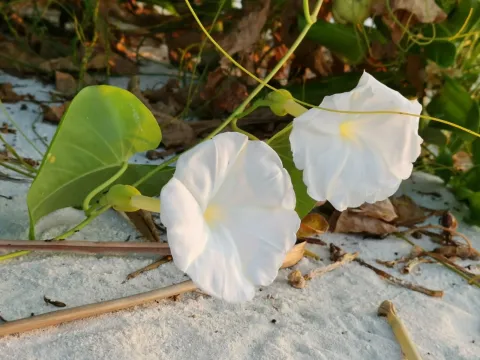
Ipomoea violacea
Ipomoea violacea
Ipomoea violacea is typically sown directly in the garden in late spring once the threat of frost has passed and the soil temperature reaches 15 degrees Celsius.
What the section contains
Ipomoea violacea
In regions with shorter summers, it is advisable to start seeds indoors in peat pots 4–6 weeks before the last frost date for better results.
Soaking seeds in warm water for 24 hours prior to planting helps to soften the hard outer coat, significantly improving germination success and speed.
When planting, ensure seeds are buried at a depth of 1–2 centimeters, maintaining consistent moisture until the seedlings emerge from the soil surface.
Since this plant does not tolerate root disturbance well, transplanting should be done carefully to keep the root ball intact throughout the entire process.
Ipomoea violacea thrives in full sun exposure, requiring at least six to eight hours of direct sunlight daily to produce vibrant flowers and healthy foliage.
The ideal soil is well-drained, fertile, and moderately moist with a neutral to slightly acidic pH, as soggy conditions can be detrimental to the roots.
Regular watering is essential during dry spells, but gardeners must avoid waterlogging the soil to prevent issues like root rot and fungal development.
As a vigorous climbing plant, it requires sturdy trellises, fences, or wires to support its growth, often reaching several meters in height during the season.
Fertilizing with a balanced, low-nitrogen formula helps promote prolific blooming, whereas high nitrogen levels often result in excessive vine growth with few flowers.
Spider mites are the most common pests affecting this species, particularly during hot and dry weather when they colonize the underside of leaves.
Aphids can also infest young shoots, sucking plant sap and potentially transmitting viruses that cause leaf curling and plant deformation over time.
Fungal diseases, including leaf spot and various types of rust, can develop if the planting site lacks proper air circulation or remains overly damp.
Root rot is a significant danger in poorly drained soils, making it critical to prioritize soil texture and water management during the cultivation process.
Implementing a routine inspection schedule and using appropriate organic or synthetic control agents is the best strategy to maintain plant health throughout summer.
As an ornamental plant, the harvest of Ipomoea violacea is limited to collecting mature seeds once the seed pods turn brown and start to dry out.
Seeds should be harvested after the first light frost kills the foliage, ensuring they are thoroughly dried before being stored in cool, dark containers.
Regular deadheading of spent blooms is a beneficial practice that encourages the plant to direct energy toward new bud formation rather than seed production.
The plant is usually treated as an annual, meaning the entire vine is cleared from the site after the growing season concludes in late autumn.
Proper storage of collected seeds is essential for maintaining their viability for the following growing season, ensuring they stay dry and protected from humidity.