
Ipomoea tuboides
Ipomoea tuboides
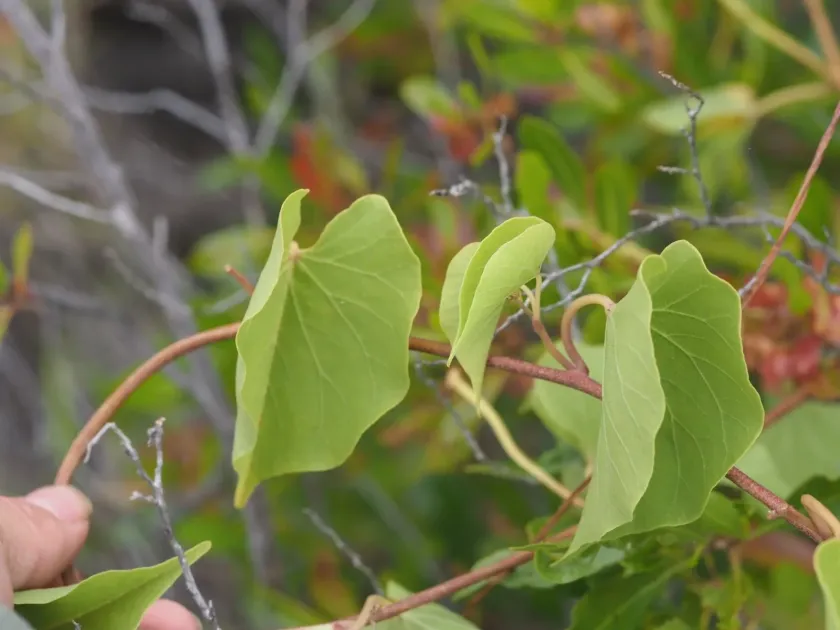
Description
Growing requirements
Ipomoea tuboides is a distinct species belonging to the Convolvulaceae family, commonly known as the morning glory family. It exhibits the classic twining habit of the genus, characterized by slender stems and vibrant floral structures adapted to specific environmental conditions.
The plant originates from tropical zones where it has evolved to survive in arid and semi-arid landscapes. Its geographical range is tied to specific microclimates that provide intense sunlight, which is necessary for triggering the physiological processes associated with vigorous growth and flowering.
Regarding soil requirements, Ipomoea tuboides thrives in well-drained, sandy, or rocky substrates. It is essential to avoid waterlogged conditions, as the plant's root system is highly sensitive to hypoxia caused by excess moisture, which can rapidly lead to fungal infections and decline.
Climate conditions must remain consistently warm throughout the growing season. The plant lacks cold hardiness and must be protected from frost and freezing temperatures, which can irreversibly damage its cellular structure and terminate the developmental cycle.
In terms of agricultural and horticultural use, Ipomoea tuboides is primarily valued for its resilience and unique genetic traits. It serves as an important subject for research in drought tolerance, offering potential for developing sustainable landscape solutions in challenging environments.