
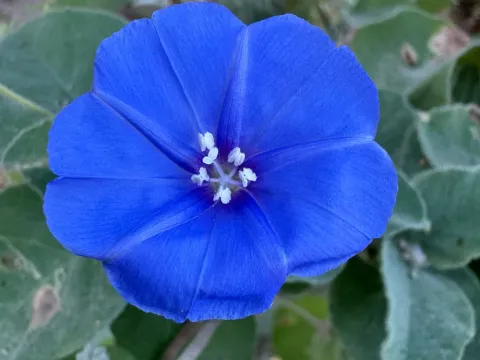
Jacquemontia
Jacquemontia
Jacquemontia is propagated mainly through seeds or stem cuttings. The optimal sowing time is early spring, once the danger of frost has passed and the soil temperature reaches 18–20 degrees Celsius.
What the section contains
 Jacquemontia guyanensis
Jacquemontia guyanensis
Jacquemontia guyanensis
 Jacquemontia martii
Jacquemontia martii
Jacquemontia martii
 Jacquemontia paniculata
Jacquemontia paniculata
Jacquemontia paniculata
 Jacquemontia pentanthos
Jacquemontia pentanthos
Jacquemontia pentanthos
 Jacquemontia pycnocephala
Jacquemontia pycnocephala
Jacquemontia pycnocephala
 Jacquemontia sandwicensis
Jacquemontia sandwicensis
Jacquemontia sandwicensis
 Jacquemontia tamnifolia
Jacquemontia tamnifolia
Jacquemontia tamnifolia
Jacquemontia
Seeds should be sown in a well-draining, nutrient-rich substrate at a depth of approximately 0.5 to 1 centimeter. Pre-soaking seeds in a growth stimulator can significantly improve germination rates.
Cuttings are usually taken during the summer months, selecting semi-hardwood stems. These cuttings root effectively in moist sand or vermiculite when kept in a warm, sheltered environment.
A consistent temperature range of 22–25 degrees Celsius is ideal for successful germination. Seedlings typically emerge within 14 to 20 days when moisture levels are kept stable.
For container-grown specimens, winter sowing with supplemental LED lighting is recommended to ensure strong, well-developed plants by the onset of the outdoor growing season.
Jacquemontia is a genus of herbaceous vines and shrubs within the Convolvulaceae family, native to tropical regions of the Americas. It thrives best in full sun, which is essential for prolific flowering.
The plant requires light, well-draining soil with a neutral to slightly acidic pH. It is critical to avoid waterlogging, as the root system is highly susceptible to decay in saturated conditions.
Irrigation should be consistent but moderate, allowing the top layer of soil to dry out between watering sessions. During intense heat, the plant benefits from misting to maintain humidity.
As a climbing vine, Jacquemontia necessitates support structures such as trellises, fences, or netting. The stems exhibit strong twining behavior, making them ideal for vertical gardening.
These plants are sensitive to cold and do not tolerate temperatures below 10 degrees Celsius well. In temperate zones, they are commonly grown as annuals or kept in greenhouses during winter.
Spider mites represent the primary pest threat to Jacquemontia, especially in conditions characterized by low humidity and high temperatures. Vigilant monitoring is required.
Powdery mildew can affect the plants in poorly ventilated greenhouse environments. Ensuring proper airflow and adequate spacing between plants is vital for prevention.
Overwatering frequently leads to root rot diseases like Fusarium or Pythium. Utilizing high-quality drainage substrates is the best defense against these lethal soil-borne pathogens.
Chemical control involving systemic insect-acaricides is recommended if an infestation is detected. Always apply treatments early in the morning to avoid foliage burn.
Sanitary pruning, which involves the removal of dead or diseased stems, helps maintain overall plant vitality and prevents the spread of infection within the dense foliage canopy.