
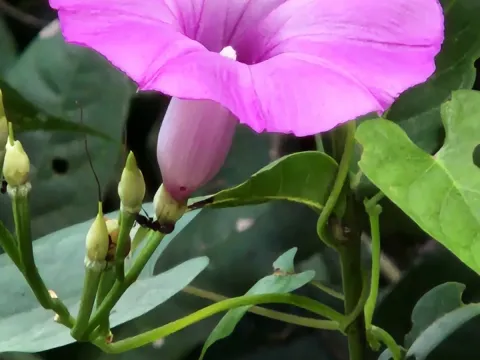
Ipomoea umbraticola
Ipomoea umbraticola
Ipomoea umbraticola, a member of the Convolvulaceae family, is a tropical climbing plant that requires warm soil for optimal germination. Direct sowing should be initiated only when the danger of frost has passed and the soil temperature consistently remains above 15-18 degrees Celsius.
What the section contains
Ipomoea umbraticola
For regions with shorter growing seasons, starting seeds indoors in biodegradable peat pots is recommended. By sowing seeds 4-6 weeks before the final frost date, gardeners can ensure the plant has a robust root system before it is moved to its permanent outdoor location.
Seeds of this species have a hard seed coat, making pre-sowing treatment essential for success. Soaking seeds in lukewarm water for approximately 24 hours helps to soften the outer layer, leading to more uniform and faster germination once planted in the soil.
When transplanting outdoors, maintain a spacing of 30-40 centimeters between each plant. Adequate spacing is crucial for airflow, which significantly reduces the risk of humidity-related foliage diseases and ensures each plant has enough nutrients for vertical growth.
Choosing the right location is vital. While the plant can tolerate dappled shade better than some other species in the genus, it still requires exposure to bright, indirect light to develop healthy vines and produce its characteristic blooms throughout the summer months.
Ipomoea umbraticola thrives in well-draining, loamy, and nutrient-rich soils with a neutral pH level. If the native soil is heavy or clay-like, incorporating organic matter such as compost or perlite is necessary to improve drainage and prevent root rot.
The plant has a consistent moisture requirement, especially during the active growth phase. Regular watering is important, but it is equally critical to avoid waterlogged conditions. The goal is to keep the soil evenly moist to support the rapid metabolism of the climbing vines.
A temperature range of 20-25 degrees Celsius is considered optimal for the development of Ipomoea umbraticola. During periods of extreme temperature fluctuations, applying a layer of organic mulch around the base of the plant helps to regulate soil temperature and moisture retention.
As a climbing vine, this plant requires sturdy support structures. Trellises, wire fences, or specialized plant cages allow the plant to spread its foliage effectively. Proper support not only enhances the aesthetic appeal but also keeps the plant healthy by improving light exposure.
Fertilization with a balanced, low-nitrogen liquid feed can be applied during the blooming season. Over-fertilization with nitrogen should be avoided as it encourages excessive vegetative growth at the expense of floral production, potentially reducing the decorative impact of the plant.
The primary pests affecting Ipomoea umbraticola are spider mites and aphids, especially during hot and dry spells. These pests thrive on the underside of leaves, causing yellowing and distortion. Regular inspection of the foliage is necessary to detect infestations early.
Fungal diseases like powdery mildew can occur if the plant is grown in poorly ventilated or excessively humid conditions. To manage this, ensure proper plant spacing and avoid wetting the foliage during evening watering sessions, which can create a breeding ground for fungal spores.
Integrated Pest Management (IPM) practices should be employed to control threats. This includes keeping the surrounding area free of weeds that may host pests, and using biological control methods or environmentally friendly insecticidal soaps when an outbreak is identified.
If chemical intervention is necessary, apply pesticides during the early morning or late evening hours to protect beneficial pollinators such as bees and butterflies. Always follow the manufacturer's instructions regarding dosage and frequency to prevent damage to the plant.
Maintaining strong plant health through proper nutrition and adequate watering acts as a natural deterrent to many pests and diseases. A plant that is not under stress is significantly more resilient against common garden pathogens and environmental pressures.
Harvesting seeds for future seasons should be done when the seed pods have turned brown and brittle. It is important to harvest them before the first hard frost, as exposure to extreme cold and moisture can lead to the deterioration of the seeds while they are still on the vine.
Once gathered, the pods should be opened and the seeds spread out in a dry, well-ventilated area to finalize the drying process. Avoiding direct, intense sunlight during this period helps preserve the viability of the seeds for the coming year.
Store the dried seeds in paper envelopes or breathable cloth bags in a cool, dark location. Proper storage conditions allow the seeds to remain viable for several growing seasons, provided they are kept away from moisture and significant temperature fluctuations.
For the maintenance of the garden space, deadheading spent blooms is a recommended practice. Removing old flowers not only keeps the plant looking tidy but also prevents unnecessary seed development, which encourages the plant to continue producing more flowers.
At the end of the growing cycle, once the plant begins to wither from cold weather, cut back the vines to the soil level. The plant is generally treated as an annual; thus, clearing the area ensures that any potential overwintering pests are removed from the garden bed.