
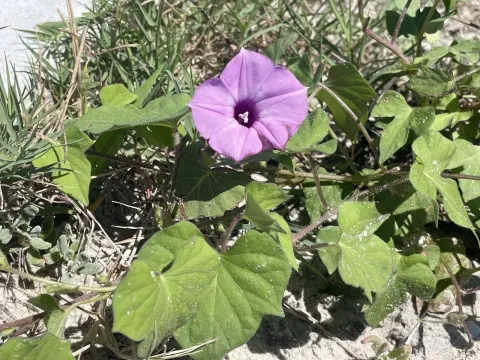
Ipomoea trichocarpa
Ipomoea trichocarpa
Ipomoea trichocarpa is a species belonging to the Convolvulaceae family. It is recognized for its vining growth habit and is often studied for its adaptability in various agricultural ecosystems as a competitive species.
What the section contains
Ipomoea trichocarpa
The plant thrives in regions with high solar radiation and prolonged daylight. It is highly sensitive to cold, requiring a frost-free growing season to complete its biological cycle effectively and produce viable seeds.
Soil requirements include well-drained conditions, as the species does not tolerate waterlogged environments. It demonstrates a preference for sandy loam or loamy soils with adequate aeration for root expansion.
Water management is critical during the vegetative stage. While the plant shows some drought tolerance due to its physiological traits, consistent moisture availability promotes more vigorous growth and biomass development.
In a farming system, it is essential to manage soil nutrient levels appropriately. Excessive nitrogen can lead to rapid vine expansion at the expense of root stability, necessitating careful fertilization planning.
Common pests affecting this culture include spider mites and aphids. These insects feed on plant sap, which can cause significant stress and reduce the plant's overall vigor if not controlled in time.
Fungal pathogens such as powdery mildew represent a major threat during humid weather conditions. The development of these fungi can be rapid, covering leaves and stems, ultimately impeding photosynthesis.
Root rots are persistent challenges in poorly drained soils. The infection often starts in the roots and spreads to the crown, causing the plant to wilt suddenly, regardless of external moisture levels.
Integrated Pest Management (IPM) strategies are recommended to mitigate threats. This involves monitoring pest populations, using cultural practices to disrupt life cycles, and utilizing biological controls where feasible.
Sanitation practices are vital in managing the crop. Removing infected plant debris at the end of the season reduces the inoculum for the following year, ensuring better health for the subsequent planting.