
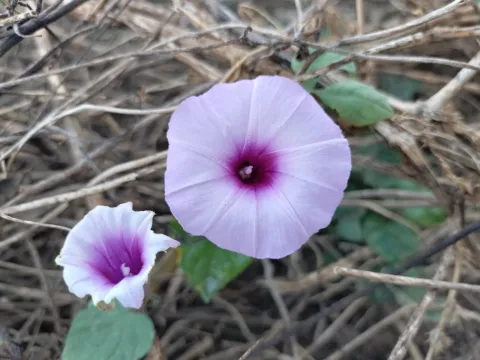
Ipomoea trifida
Ipomoea trifida
Ipomoea trifida is a wild species belonging to the Convolvulaceae family. It is widely recognized in agricultural research as a significant wild relative of the cultivated sweet potato (Ipomoea batatas), holding valuable genetic traits for modern plant breeding.
What the section contains
Ipomoea trifida
The plant originates from the tropical regions of Mexico and Central America. It thrives in warm, humid climates and is typically found in environments that provide consistent temperatures and protection from extreme weather conditions, such as frost, which is lethal to this species.
Regarding soil requirements, Ipomoea trifida prefers well-drained, fertile substrates. It is sensitive to waterlogging, so irrigation management is crucial when cultivating the plant in experimental plots or greenhouse conditions to prevent root suffocation and decay.
Agricultural practices involve training the vines to climb or spreading them on mulched surfaces to maximize light exposure. This ensures high photosynthetic efficiency and vigor, which is essential for successful biomass production and reproductive cycles.
The primary utility of this species is not commercial food production but its critical role in genetic diversity conservation. It serves as a source for resistance genes against pests and environmental stressors, which researchers integrate into commercial sweet potato varieties.
Ipomoea trifida is susceptible to various fungal diseases, such as leaf spot and mildew, which flourish in high-humidity conditions. Proper spacing and airflow management are essential preventive strategies to minimize the risk of rapid pathogen spread within populations.
Insects, particularly spider mites, aphids, and lepidopteran larvae, pose significant threats. These pests feed on the foliage and terminal buds, leading to stunted growth and potentially transmitting viral diseases that can severely impact plant health and genetic research integrity.
Root-knot nematodes represent a hidden threat, causing damage to the root system. This damage can be particularly detrimental in long-term breeding studies, as it disrupts nutrient uptake and makes the plant susceptible to secondary soil-borne bacterial infections.
Viral infections, including those causing mosaic patterns and leaf distortion, are persistent threats in tropical regions. Management of these viruses typically involves the eradication of alternative weed hosts and rigorous control of insect vectors like whiteflies.
Integrated Pest Management (IPM) is the standard approach for maintaining healthy collections. This includes biological control agents, crop sanitation, and strict quarantine protocols to prevent the introduction of new pathogens into research facilities.