
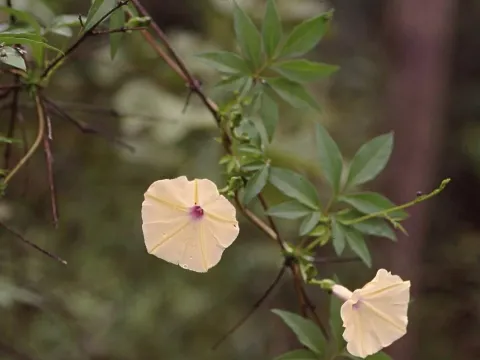
Ipomoea tuberculata
Ipomoea tuberculata
Sowing Ipomoea tuberculata requires strict adherence to temperature guidelines, as it is a highly thermophilic crop. In temperate zones, seeds should only be planted once soil temperatures consistently exceed 15–18 degrees Celsius.
What the section contains
Ipomoea tuberculata
In tropical and subtropical regions, the sowing period typically aligns with the beginning of the rainy season to provide sufficient moisture for initial establishment. Using a seedling starter method can help maximize the growing season in shorter-summer regions.
The seeds should be planted at a depth of 2 to 3 centimeters to prevent desiccation while ensuring consistent emergence. Proper spacing is vital for this species, as its rapid vine growth can quickly lead to overcrowding if not managed correctly.
Pre-sowing seed treatment, such as mechanical scarification, can significantly enhance germination uniformity. Soaking seeds in growth-promoting solutions prior to sowing is also a recommended practice for vigorous early development.
Maintaining adequate distance between rows, typically 70–90 centimeters, is necessary to facilitate airflow and simplify field maintenance. Proper planning at the sowing stage is the foundation for a productive crop cycle.
Ipomoea tuberculata, belonging to the Convolvulaceae family, thrives in well-drained, fertile loamy or sandy soils with a neutral pH. The crop is highly intolerant of waterlogging, which quickly leads to root rot and systemic failure.
The plant demands full sun exposure throughout the day to achieve optimal biomass and reproductive potential. Shady environments result in etiolated stems and significantly delayed development of tubers or seeds.
Climate requirements include stable, high temperatures, ideally between 22 and 30 degrees Celsius. The crop is extremely sensitive to frost and cold snaps, which can cause total failure of the plant tissue in a matter of hours.
Agronomic management requires regular soil cultivation to maintain aeration and moisture control. Organic fertilization during the early vegetative stage is highly beneficial for establishing a strong foundation for the plant.
Vertical support systems are essential for this climbing species, as they improve light interception and prevent foliage contact with damp soil, thereby reducing the incidence of soil-borne pathogens.
Common pests affecting Ipomoea tuberculata include spider mites and aphids, which often thrive in low-humidity conditions. Regular field inspections of the undersides of leaves are crucial for early detection and mitigation.
Fungal diseases, such as Fusarium wilt, are common in areas with poor drainage and high humidity. Infected plants must be removed promptly to prevent the spread of spores to healthy segments of the crop.
Bacterial leaf spots can occur during prolonged periods of heavy rainfall, impacting the photosynthetic capacity of the plant. Fungicide application at the first sign of symptoms is recommended for large-scale agricultural settings.
Soil-borne nematodes can cause significant damage to the root system, leading to overall plant decline. Crop rotation with non-host species is the most effective long-term strategy for managing soil-borne threats.
Maintaining clean farming practices, including regular disinfection of tools and weed control, is essential to minimize the presence of vectors that spread viral and fungal diseases within the field.