
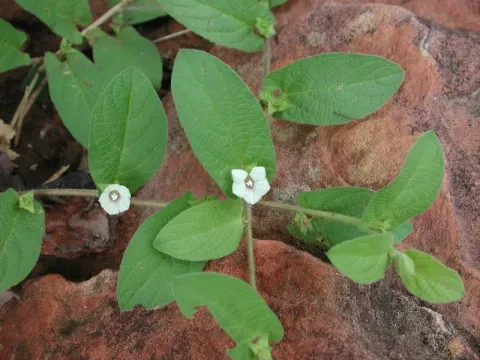
Ipomoea vagans
Ipomoea vagans
Ipomoea vagans should be sown during the spring season once the soil temperatures have consistently risen above 15–18 degrees Celsius. Direct sowing is effective in warmer climates, while nursery starting is preferred for regions with shorter growing seasons.
What the section contains
Ipomoea vagans
Seeds should be planted at a depth of 1–2 centimeters, ensuring the soil remains moist until germination. Proper spacing, typically 50–70 centimeters between rows, is crucial to prevent competition for light and nutrients among seedlings.
Pre-treatment of seeds by soaking in warm water or gentle scarification can significantly improve the uniformity and speed of emergence. This practice is standard in commercial settings to maximize the seed germination rate.
Transplanting seedlings to the field requires caution to avoid cold shock. It is recommended to perform this task when there is no risk of frost, usually when night temperatures remain stable for at least several days.
The selection of the sowing site should emphasize maximum solar exposure, as this species thrives in bright conditions. Ensuring that the site is sheltered from strong, damaging winds is also a critical agronomic factor.
As a member of the Convolvulaceae family, Ipomoea vagans requires well-drained, nutrient-rich soil to reach its full potential. The optimal pH range is slightly acidic to neutral, between 6.0 and 7.0, which allows for maximum nutrient uptake.
The crop requires a trellis or vertical support structure to facilitate climbing and ensure adequate aeration. Without support, the plant's physiological development can be stunted, and its foliage remains susceptible to soil-borne pathogens.
Water management is a key aspect of agronomy for this crop. Regular irrigation is necessary, particularly during the flowering stage, but excessive standing water must be avoided to prevent root diseases and suffocation.
Fertilization should focus on potassium and phosphorus levels to support bud formation. High nitrogen application should be avoided as it stimulates excessive vegetative growth at the expense of floral development.
Maintaining the site clean and free of weeds during the early stages of growth is essential to prevent competition. Mulching is highly recommended to maintain soil moisture levels and suppress weed expansion.
Spider mites and aphids are the most common pests affecting Ipomoea vagans. These insects feed on the plant's sap and can quickly cause leaf yellowing and structural weakness if not managed through timely intervention.
Fungal diseases, such as white rust and leaf spot, occur frequently under high humidity conditions. Implementing crop rotation and ensuring adequate space between plants are effective preventative measures for these issues.
Root rot, often caused by overwatering or poor soil drainage, is a lethal threat to the plant. If detected, prompt removal of the infected specimen and soil treatment are required to prevent the spread of the pathogen.
Slugs and snails can cause significant damage to the lower foliage, especially in moist microclimates. Mechanical barriers or approved bait can be used to control these pests during the early growing phase.
Regular field scouting is recommended to identify symptoms of stress or pathogen attack early. Early detection allows for targeted management and helps in maintaining the health and productivity of the entire plantation.