
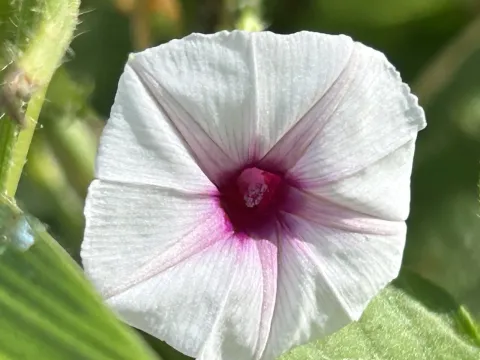
Ipomoea sinensis
Ipomoea sinensis
Ipomoea sinensis is a herbaceous plant belonging to the Convolvulaceae family. It is an interesting botanical subject that requires specific preparation for successful germination and establishment in agricultural settings.
What the section contains
Ipomoea sinensis
Seeds of this species have a hard outer coat, necessitating scarification before planting to ensure timely water absorption. The sowing process should begin once soil temperatures consistently exceed 15 degrees Celsius.
Optimal planting involves shallow depth placement in well-prepared rows, which allows for mechanical weed control later in the season. Proper spacing is crucial to prevent competition for nutrients among the growing seedlings.
In regions with cooler spring temperatures, planting should be delayed until the risk of frost has passed completely. Using row covers or mulching can help maintain soil warmth during the critical early growth stage.
Regular irrigation is necessary immediately following the sowing process to keep the substrate moist but not waterlogged. This stability ensures that the root system develops vigorously from the very beginning.
This crop is highly light-dependent and thrives in areas with full sun exposure. Adequate solar radiation is a prerequisite for robust stem growth and the accumulation of biomass throughout the season.
Ipomoea sinensis prefers well-drained, fertile soil with a neutral or slightly acidic pH balance. Sandy loam soils are ideal because they prevent water stagnation, which is detrimental to the plant's root health.
Water requirements remain moderate, though consistent moisture is essential during the active vegetative growth phase. In later stages of development, the plant demonstrates improved resilience to occasional dry spells.
Balanced fertilization with phosphorus and potassium promotes better floral development and maturation. Over-fertilization with nitrogen should be avoided as it encourages excessive foliage at the expense of seed quality.
Optimal growth occurs at temperatures ranging between 20 and 28 degrees Celsius. The species is sensitive to sudden cold snaps, which can significantly retard its metabolic processes and overall growth speed.
Spider mites and aphids are the most common pests that affect the health of Ipomoea sinensis. Regular scouting and the application of appropriate biological control agents are effective in keeping these populations under control.
Fungal diseases, specifically powdery mildew and root rot, represent the greatest risks to this crop. These are often triggered by improper irrigation practices and poor ventilation in high-density planting conditions.
Viral infections can also impact plant health, often manifesting as mottled leaves or stunted growth. Using certified, disease-free seed stock is the first and most important step in preventing these pathogens.
Soil-borne fungi such as Fusarium can cause permanent wilting, particularly in poorly drained fields. Crop rotation and maintaining soil health are vital components of any comprehensive disease management program.
Weed pressure must be managed through mechanical cultivation or careful mulching, as weeds often act as hosts for the very insects and viruses that threaten the Ipomoea crop throughout its lifecycle.