
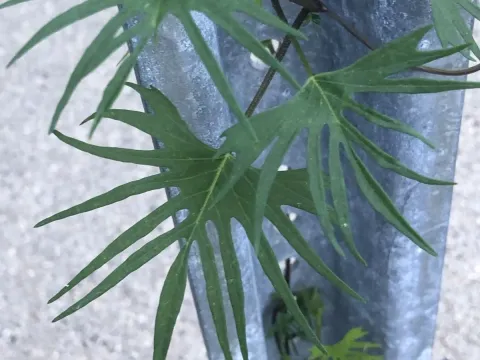
Ipomoea sloteri
Ipomoea sloteri
Ipomoea sloteri, commonly known as the Cardinal Climber, is a fast-growing annual vine that requires warm conditions for successful cultivation. For earlier flowering, start seeds indoors in pots about four to six weeks before the last expected frost.
What the section contains
Ipomoea sloteri
Before sowing, it is highly recommended to scarify the hard seed coat by nicking it with a knife or soaking the seeds in warm water for 24 hours. This practice ensures faster and more uniform germination of the seedlings.
If sowing directly outdoors, wait until the soil has thoroughly warmed up in late spring. The optimal soil temperature for germination should be consistently above 15 degrees Celsius to prevent the seeds from rotting.
Plant the seeds at a depth of about 1–2 centimeters in a sunny location. Proper spacing is crucial, as the vines can reach significant lengths and require adequate space to climb and spread their foliage.
Ensure the planting area is well-prepared by removing competing weeds and incorporating organic matter. This provides the young seedlings with a strong foundation for the rapid growth phase that follows germination.
This species belongs to the Convolvulaceae family and thrives in full sun exposure. It needs at least six to eight hours of direct sunlight daily to produce its signature bright red, star-shaped blooms efficiently.
Ipomoea sloteri prefers fertile, well-draining soil with a neutral pH. While it is adaptable to various soil types, it performs best in sandy loam mixtures that do not hold excessive water, as waterlogged soil can lead to root rot.
As a climbing vine, it requires vertical support such as a trellis, wire, or fence. Start guiding the young vines toward the support as soon as they develop their first tendrils to encourage proper vertical growth.
Regular watering is necessary during dry spells, but it is important to apply water at the base of the plant rather than overhead. Keeping the foliage dry helps prevent common fungal diseases that often affect ornamental vines.
For feeding, use a balanced liquid fertilizer every few weeks throughout the growing season. Avoid overly high-nitrogen formulas, as they prioritize leafy growth over the development of flowers, which are the main feature of the plant.
The most common pests affecting Ipomoea sloteri are aphids and spider mites, particularly in hot and dry climates. Frequent monitoring of the vine, especially the undersides of leaves, helps in catching infestations early.
Fungal diseases like powdery mildew can develop if the planting is too dense, reducing airflow. Thinning out the vines or spacing them appropriately at planting time significantly mitigates the risk of infection.
If you notice leaves turning yellow or developing spots, check the drainage conditions. Excessive moisture combined with poor ventilation is the primary trigger for most foliar diseases in this climbing species.
Natural predators such as ladybugs can help manage aphid populations. If chemical intervention becomes necessary, always choose options that are safe for beneficial insects and pollinators visiting the garden.
To keep the garden healthy, ensure you clear away all plant debris at the end of the season. Removing old vines prevents pests and pathogens from overwintering and appearing again in the next year's crop.