
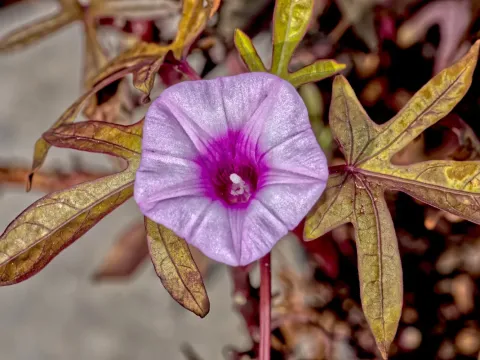
Ipomoea rubrifolia
Ipomoea rubrifolia
Sowing Ipomoea rubrifolia seeds is typically done directly into the open ground once the threat of spring frost has completely passed. The soil temperature must be at least 15 degrees Celsius to ensure consistent germination.
What the section contains
Ipomoea rubrifolia
In regions with shorter growing seasons, starting seeds indoors in peat pots is highly recommended. This practice allows the plant to establish a stronger root system before being transplanted into the garden.
Pre-soaking the seeds in warm water for 24 hours is a standard technique to soften the hard seed coat and speed up emergence. Seeds should be planted at a depth of about 1 to 2 centimeters.
Maintain a spacing of at least 30 centimeters between individual plants to prevent overcrowding. Proper spacing is essential for good air circulation, which prevents the development of fungal pathogens.
Installing support structures such as trellises or nets immediately after planting is crucial. As a vigorous climbing vine, this plant requires vertical support to grow efficiently and display its foliage properly.
Ipomoea rubrifolia, a member of the Convolvulaceae family, is highly valued for its striking reddish foliage. It thrives in locations that receive full sun, as light is essential for maintaining the deep color of the leaves.
The plant prefers light, fertile, and well-drained soils. Avoiding waterlogged conditions is critical, as stagnant water in the root zone can lead to rapid decay of the plant's vascular system.
Regular but moderate irrigation is needed throughout the growing season, particularly during prolonged dry spells. It is better to water deeply but infrequently rather than providing shallow, daily sprinkles.
Fertilization with a balanced, water-soluble fertilizer helps support vigorous growth. However, care should be taken to avoid excessive nitrogen, which promotes lush foliage at the expense of overall plant health.
This tropical vine requires a warm climate, with ideal temperatures ranging between 20 and 25 degrees Celsius. Protection from cold winds and sudden temperature fluctuations is necessary to maintain aesthetic quality.
Common pests that affect this species include spider mites and aphids, which are particularly active in hot and dry weather. Regular monitoring and the application of appropriate insecticides help keep pest populations in check.
Fungal diseases, such as root rot and leaf spots, often develop under conditions of high humidity and poor ventilation. Keeping the area clean of debris and ensuring proper spacing helps minimize these risks.
Viral infections can cause stunted growth and foliage distortion. Since these conditions are untreatable, early removal and destruction of symptomatic plants is the best management strategy.
Preventative cultural practices such as avoiding overhead watering reduce the likelihood of leaf infections. Keeping the soil surface loose through light hoeing also aids in root health and general vigor.
Always sanitize garden tools to prevent the mechanical transmission of pathogens. Integrated pest management, combining biological and chemical controls, is recommended for maintaining a healthy and beautiful display.