
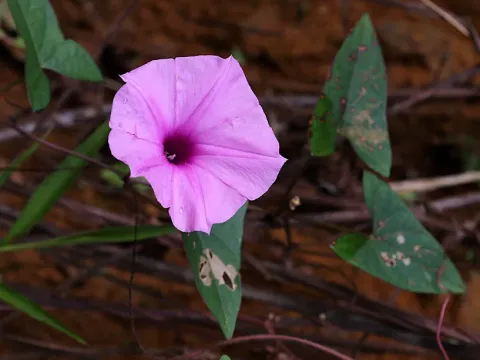
Ipomoea setifera
Ipomoea setifera
Ipomoea setifera, belonging to the Convolvulaceae family, is a vigorous vine often cultivated for its ornamental value and rapid growth. In temperate zones, it is usually started indoors in late March or early April to ensure a long enough season for the vine to establish itself properly before the first frost.
What the section contains
Ipomoea setifera
Direct seeding in the open field can only be performed once the danger of frost has passed and soil temperatures have reached at least 15–18 degrees Celsius. Seeds possess a hard coat, so scarification or soaking in warm water for several hours is a recommended step to improve germination rates.
When transplanting young plants, it is crucial to space them approximately 40 centimeters apart. This spacing allows for proper airflow between the leaves, which is an essential factor in maintaining plant health and preventing the development of diseases caused by high humidity.
The planting depth should be kept at approximately 1–2 centimeters in light, nutrient-rich soil. If using pots or containers, one must ensure excellent drainage as the root system of Ipomoea species is highly susceptible to rot if left sitting in stagnant water for prolonged periods.
Early-stage growth should be supported with balanced fertilizers rich in nitrogen to boost the development of foliage. As the plants mature and prepare for blooming, the nutrient program should shift toward higher potassium and phosphorus levels to support the flower production.
Ipomoea setifera thrives in full sun exposure. It requires at least 6–8 hours of direct sunlight daily to produce high-quality foliage and abundant blooms. Locations in deep shade will result in spindly, weak plants that fail to thrive and remain prone to environmental stress.
The soil should be well-drained and slightly acidic to neutral in pH. While the plant is adaptable to various soil types, it performs best in loamy, fertile soil that retains some moisture while allowing excess water to drain away effectively without forming puddles.
Temperature management is vital, as this plant is essentially tropical and frost-sensitive. It grows most vigorously in the range of 20–28 degrees Celsius and should be protected from sudden cold snaps or exposure to chilly winds that can damage the growing tips of the vines.
Regular watering is necessary, especially during the peak of summer when transpiration rates are high. It is recommended to water at the base of the plant to keep the foliage dry, which significantly reduces the risk of fungal leaf spots caused by persistent moisture on the leaves.
Because of its climbing habit, Ipomoea setifera requires structural support. Trellises, wire fences, or sturdy poles are necessary to manage the vine's growth effectively. Proper training of the stems ensures that the plant covers the intended area evenly and remains productive.
Spider mites are among the most persistent pests for this vine, particularly in hot and dry climates. These pests create fine webbing and cause the leaves to lose color and eventually drop, which severely weakens the plant if left uncontrolled over an extended period of time.
Aphids are also frequent invaders, clustering on tender new shoots and buds. They extract sap from the plant and secrete honeydew, which can attract secondary infections such as sooty mold. Regular inspections and the application of mild insecticidal soaps are usually effective.
Fungal pathogens, including root rot and powdery mildew, often arise due to poor cultivation practices like overcrowding or overwatering. These diseases can spread rapidly in humid conditions and can be quite difficult to treat if the plant's structural health has already been compromised.
Proactive management of the planting area is the best defense. This includes removing dead organic matter from the base of the plants, avoiding overhead irrigation, and maintaining a proper distance between neighboring plants to facilitate natural evaporation and airflow.
In cases of severe infestation, using targeted fungicides or systemic insecticides may be necessary. However, adhering to integrated pest management practices, such as encouraging beneficial insects, can keep the population of minor pests at manageable, non-damaging levels.