
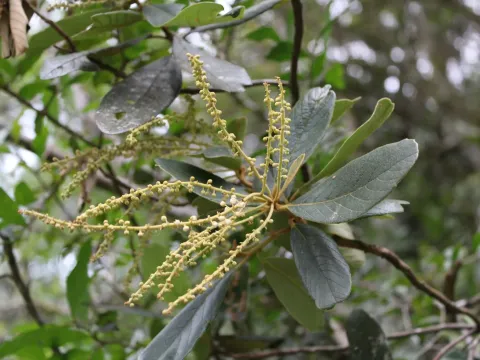
Clethra scabra
Clethra scabra
Clethra scabra is a woody plant belonging to the Clethraceae family, native to the tropical regions of South America. It is known for its distinct texture and showy floral racemes, making it a valuable addition to botanical collections and specialized landscaping projects.
What the section contains
Clethra scabra
The plant requires acidic, well-draining soil rich in organic matter to thrive. It is essential to maintain consistent moisture levels, as the plant is not drought-tolerant and can quickly suffer from dehydration in dry conditions.
Regarding climate, Clethra scabra prefers warm and humid environments with protection from harsh, direct midday sun. In non-tropical regions, it is typically grown as a container plant to allow for shelter during colder months, as it is sensitive to frost.
Botanical features include alternating leaves with a rough surface texture, which gives the species its specific epithet. The inflorescences are dense and terminal, providing significant aesthetic value during the blooming period.
Cultural management involves applying fertilizers formulated for acid-loving plants and performing structural pruning to maintain an attractive habit. Proper spacing ensures adequate airflow, which is critical for the long-term health of the shrub.
The primary threats to this species include root rot caused by poor soil drainage and stagnant water. Overwatering in cooler temperatures is the most common cause of decline for this culture.
Pests such as spider mites, whiteflies, and aphids are frequent issues, particularly when the plant is kept in greenhouse or indoor environments where natural predators are absent.
Fungal pathogens like powdery mildew can appear on the foliage if air circulation is insufficient. Increasing ventilation around the plant is the most effective preventative measure.
Integrated pest management strategies should be employed, using horticultural oils or systemic insecticides only when necessary to preserve the plant's natural balance.
Regular inspections for discoloration on leaves and stunted growth help identify issues early, allowing for timely intervention and treatment of the affected areas.