
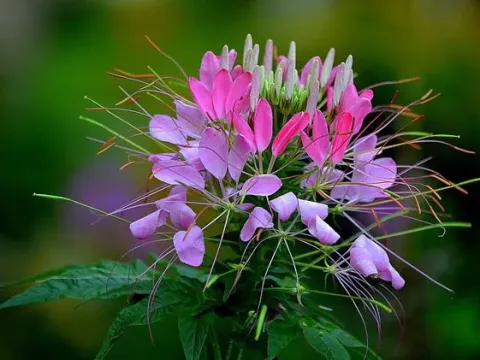
Cleome violacea
Cleome violacea
Cleome violacea seeds should be sown outdoors only after all danger of frost has passed, as the plant is highly sensitive to cold temperatures. The optimal time for sowing is late May, once the soil has warmed up to at least 15–18 degrees Celsius.
What the section contains
Cleome violacea
To promote earlier flowering, especially in regions with shorter growing seasons, starting seeds indoors is recommended. Seeds should be sown in individual peat pots or containers in March, as the plant does not tolerate root disturbance during transplanting.
Seeds should be planted at a depth of approximately 1 centimeter in well-drained substrate. It is crucial to maintain a consistent temperature of 20–22 degrees Celsius and moderate soil moisture to ensure successful germination, which usually takes two to three weeks.
Hardening off the seedlings is a vital step before transferring them to their permanent location. Over a period of 7–10 days, the young plants should be gradually exposed to outdoor conditions to increase their tolerance to wind and sunlight.
When planting in the field, maintain a spacing of 30–40 centimeters between plants. This planting density is essential for proper air circulation, which helps prevent the development of diseases and allows each plant enough space for optimal growth and branching.
Cleome violacea, a member of the Capparaceae family, is a striking annual herb valued for its unique floral structures. Originating from the Mediterranean region and parts of Asia, it thrives in warm, sunny climates that provide long periods of intense light.
This species requires full sun exposure to maintain its structural integrity and ornamental appeal. Insufficient sunlight will cause the plant to become leggy and produce fewer flowers, ultimately compromising its characteristic aesthetic impact in a landscape.
The soil should be fertile, light, and well-drained, with a neutral to slightly acidic pH level. Avoid heavy, waterlogged soils, as poor drainage significantly increases the risk of root pathogens and leads to weak growth in this species.
While the plant exhibits moderate drought tolerance, consistent moisture is necessary for maximum bloom production. Watering should be applied at the base to avoid wetting the flower heads, which helps preserve the duration and quality of the blooming season.
Effective management includes balanced fertilization using a complete NPK fertilizer. Nitrogen applications are prioritized in the early growth stages, while phosphorus and potassium are essential once the buds begin to form to support long-lasting and vivid blossoms.
Aphids and spider mites are the most common pests affecting Cleome violacea, particularly during hot and dry spells. Regular inspection of the undersides of the leaves is advised to detect early infestations before they can significantly damage the plant's vitality.
Root rot is a major threat caused by overwatering or poor soil drainage. Ensuring that the soil remains aerated and not waterlogged is the primary preventative measure against these types of soil-borne diseases that frequently plague the Capparaceae family.
Powdery mildew can occur if there is poor air circulation or drastic temperature fluctuations between day and night. If symptoms appear, applying a sulfur-based fungicide or a systemic control agent can help mitigate the spread of the disease across the flower beds.
Maintaining a weed-free environment is essential for keeping the plants healthy, as many weeds act as reservoirs for viruses and pests. Consistent field hygiene and the removal of debris at the end of the season are fundamental to integrated pest management.
Using biological controls is encouraged when possible, especially in gardens that support pollinators. By fostering a healthy ecosystem, gardeners can significantly reduce the need for chemical interventions and maintain a sustainable environment for Cleome cultivation.