
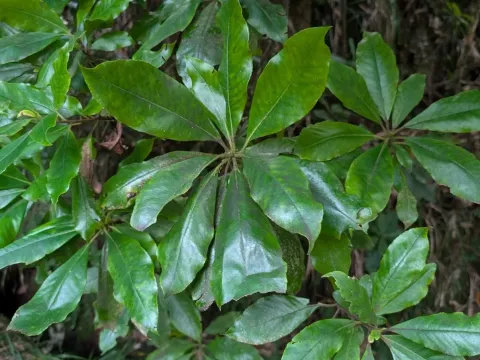
Lily of the valley tree
Clethra arborea
Clethra arborea, commonly known as the lily of the valley tree, belongs to the Clethraceae family. This evergreen species is highly valued for its striking white flowers and deep green foliage, making it a distinctive ornamental plant.
What the section contains
Lily of the valley tree
Native to the humid forests of Madeira, the plant thrives in areas characterized by consistent moisture and moderate temperatures. It is an excellent specimen for botanical collections and conservatory environments in temperate zones.
Success in cultivation requires acidic, well-draining soil rich in organic matter. Maintaining a balanced soil moisture level is essential, as the plant does not tolerate prolonged dryness or waterlogged conditions.
The lily of the valley tree prefers dappled sunlight or partial shade. In residential landscapes, it should be protected from harsh, direct winds which can cause significant transpiration stress to its foliage.
Cultural maintenance involves routine irrigation with non-alkaline water. Mulching the base of the plant helps to conserve moisture and protect surface roots from temperature fluctuations throughout the growing season.
Major threats to Clethra arborea include various fungal diseases that often flourish in poorly ventilated indoor or greenhouse environments. Ensuring proper spacing and airflow is the primary defense strategy against such pathogens.
Pests such as scale insects and spider mites are known to infest the plant, particularly during periods of low humidity. These insects feed on sap, which can cause leaf drop and stunt overall vegetative growth.
Root rot remains a critical issue if the substrate's aeration properties are compromised. Overwatering, especially during cooler dormant periods, significantly increases the likelihood of fatal soil-borne fungal infections.
Nutritional deficiencies, specifically iron chlorosis, can occur if the soil pH becomes too high. Regular testing and adjustment of the soil acidity are necessary to keep the foliage healthy and vibrant.
Effective management of these threats involves constant monitoring and the use of targeted treatments. Removing infested branches and improving environmental conditions are crucial steps in managing localized pest outbreaks.