
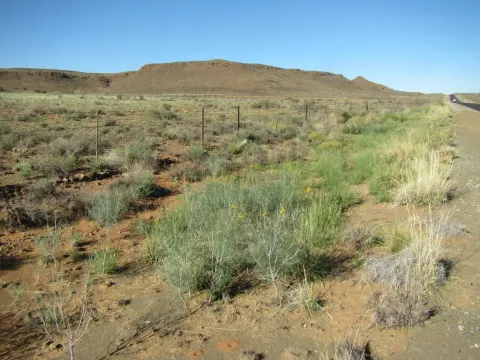
Narrow-leaved spider flower
Cleome angustifolia
Cleome angustifolia, known as the narrow-leaved spider flower, belongs to the family Cleomaceae. It is a distinctive annual species increasingly studied for its horticultural and potential agricultural uses.
What the section contains
Narrow-leaved spider flower
Sowing should be performed when the soil temperature consistently reaches 15-18 degrees Celsius. Direct sowing in spring is common in warmer climates, while temperate regions often require indoor starting.
Seed depth should be kept shallow, approximately 0.5 to 1 cm, as the seeds require some light for optimal germination. Proper moisture levels must be maintained until the seedlings are fully established.
Spacing is a critical factor for canopy development. Planting should allow for a distance of 30-40 cm between individual plants to prevent competition and ensure proper airflow around the stems.
Germination typically takes between two to three weeks under warm conditions. Once established, the plants demonstrate a rapid growth rate if provided with sufficient light and nutrients.
The plant is highly heliophilic, meaning it thrives in full sun. Exposure to direct sunlight is necessary to maintain compact plant structure and ensure maximal seed or floral production.
Well-drained soil with a light texture is ideal for this crop. It does not tolerate waterlogging, which often leads to root hypoxia and subsequent infection by soil-borne pathogens.
While the species is moderately drought-tolerant once established, supplemental irrigation is required during prolonged dry spells to maintain steady growth rates.
Soil fertility management should focus on balanced NPK applications at the beginning of the vegetative stage. Excessive fertilization, particularly nitrogen, should be avoided to prevent leggy growth.
Routine weeding and soil aeration are essential components of the agronomic practice. These measures reduce weed competition and promote healthy development of the taproot system.
Powdery mildew represents the most significant fungal threat, particularly in dense plantings where humidity levels remain high for extended periods of time.
Aphids are the most prevalent pest, targeting tender growing points and buds. Their feeding can cause significant physiological stress and stunt the overall development of the plant.
Spider mites may manifest during hot, arid conditions. These pests thrive on the underside of leaves and can cause rapid necrosis if left untreated in the field.
Root rot is primarily a symptom of improper water management or heavy, poorly drained soil conditions. Prevention involves avoiding saturation of the root zone.
Integrated Pest Management (IPM) is recommended, utilizing both mechanical removal of weeds and targeted chemical interventions only when threshold levels are reached.