
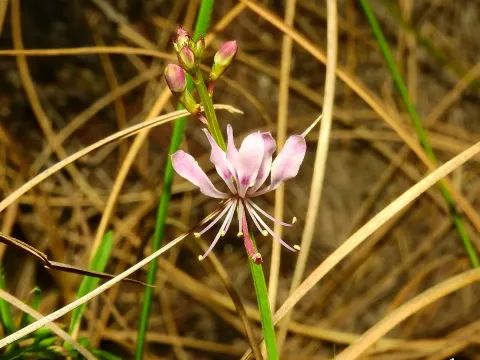
Large-leaf spider flower
Cleome macrophylla
The Large-leaf spider flower (Cleome macrophylla) is a significant species within the Capparaceae family. Renowned for its unique botanical features, this crop is increasingly studied for its agricultural potential in tropical and warm temperate climates.
What the section contains
Large-leaf spider flower
Sowing schedules are strictly dependent on soil temperature, which should be consistently above 18 degrees Celsius. Direct seeding in well-prepared beds is standard practice, ensuring that the seeds are placed at shallow depths for rapid germination.
For regions with shorter growing seasons, starting the seeds indoors in modular trays is highly recommended. This strategy allows the plants to establish a robust root system before being transplanted into the main field once the risk of frost has passed.
Spacing is essential for this crop due to the expansive size of its foliage. Planting in rows with sufficient distance allows for adequate airflow, which is critical for preventing fungal outbreaks within the dense leaf canopy.
Quality seed selection and pre-sowing treatments, such as light scarification or soaking, can significantly increase field emergence rates. Proper seed bed preparation ensures that the delicate seedlings face minimal competition from surrounding weeds during the initial stages.
As a light-demanding crop, the Large-leaf spider flower requires full sun exposure to thrive. Sufficient solar radiation is necessary to drive the plant's metabolic processes and support the development of its characteristic large, lush leaves.
The ideal soil conditions consist of well-draining, nutrient-rich substrates with a slightly alkaline pH. Sandy loams are preferred as they prevent waterlogging, which the plant is highly sensitive to during its early growth phases.
Maintaining a steady temperature range between 22 and 29 degrees Celsius fosters optimal physiological activity. While the plant possesses moderate tolerance to short dry spells, supplemental irrigation is necessary to ensure maximum biomass accumulation.
Fertilization regimes should prioritize phosphorus and potassium to enhance plant structure and resilience. Nitrogen application should be balanced to ensure vigorous leaf growth without encouraging excessive, weak stem development that could lead to lodging.
Ongoing soil monitoring is recommended to ensure that essential micro-nutrients, particularly iron and manganese, remain available. Regular cultivation of the soil surface between rows helps maintain aeration and promotes healthy microbial activity.
Aphids and spider mites are the primary agricultural pests associated with this crop. These pests thrive in hot, arid conditions and can quickly compromise plant vigor if populations are not managed through timely intervention.
Powdery mildew represents a significant fungal threat, characterized by white powdery spots on the leaf surface. High humidity and poor circulation are the main environmental drivers for the rapid spread of this pathogen throughout a field.
Root and crown rot can occur if soil management fails to provide adequate drainage. These diseases are often difficult to treat once established, making prevention through irrigation control and strategic site selection the most effective management tools.
Integrated pest management (IPM) practices, including the use of biological agents and localized pesticide application, are recommended to control pest pressure while preserving beneficial insect populations that aid in plant development.
Strict sanitation protocols, including the thorough removal of plant debris post-harvest, are essential to break the life cycles of common pathogens and pests. This practice significantly reduces the inoculum potential for subsequent growing seasons.