
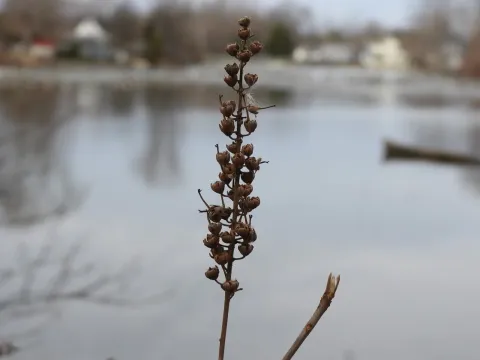
Clethra
Clethra
Clethra is a genus of shrubs and trees belonging to the Clethraceae family. Naturally occurring across Asia, North America, and South America, these plants are widely recognized in horticulture for their fragrant flowers and late-summer blooming period. They thrive in diverse environments, provided their specific biological needs are met.
What the section contains


Clethra
The culture requires moist, well-drained, and acidic soil to reach its full potential. Unlike many garden shrubs, Clethra is intolerant of alkaline soils, which often leads to nutrient deficiencies and chlorosis. It performs best in partial shade to full sun, assuming the moisture levels are consistent throughout the growing season.
Agronomic management relies heavily on moisture control. Because the root system is fibrous and shallow, supplemental watering is essential during dry spells. Mulching is a recommended practice to stabilize soil temperature and acidity, while also preventing excessive evaporation from the surface layers.
Pruning should be performed in early spring before the new growth starts. This practice encourages better branching and more prolific flowering. Propagation is primarily achieved through stem cuttings or layering. Fertilization should involve balanced, slow-release formulas designed for acid-loving plants to prevent potential damage from high-salt fertilizers.
In landscape architecture, Clethra is highly valued for its versatility in group plantings, hedge formation, and as a centerpiece in rain gardens. It serves an ecological function as a late-season nectar source, providing vital energy for pollinators when floral resources are otherwise scarce.
The primary physiological disorder affecting Clethra is iron chlorosis, manifesting as yellow leaves with green veins. This condition is almost exclusively linked to soil pH being too high, which prevents the roots from absorbing necessary microelements effectively.
Fungal pathogens such as powdery mildew may develop if the canopy is too dense or if air circulation is obstructed. Proper spacing and thinning out older branches can significantly decrease the likelihood of such infections during humid summers.
Insect pests, including aphids and spider mites, are common threats during hot and dry weather conditions. Regular inspection of the underside of leaves is recommended for early detection, followed by the application of appropriate biological controls or insecticidal soaps if necessary.
Root rot remains a risk in poorly drained, heavy clay soils where moisture remains trapped around the root zone. Ensuring that the planting site has excellent drainage is the most effective preventative measure against soil-borne diseases.
Overall, maintaining plant vigor through proper soil preparation and adequate watering routines is the best defense against pests and diseases, ensuring a long and healthy lifespan for the plant.