
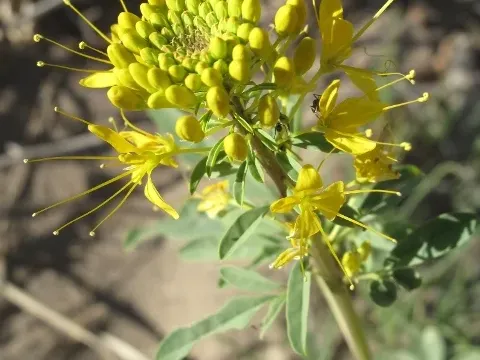
Yellow spider flower
Cleome lutea
Yellow spider flower (Cleome lutea) is an herbaceous plant species belonging to the Cleomaceae family. Originally native to the western parts of North America, this plant is well-adapted to sandy and gravelly soils in open, arid habitats where other species might struggle to survive.
What the section contains
Yellow spider flower
The sowing process begins in spring, once the threat of frost has completely passed and the soil has sufficiently warmed up. For optimal results, seeds should be sown in a sunny location directly into prepared soil, ensuring they are placed at a shallow depth to receive adequate sunlight for germination.
Starting seeds indoors is a common practice for gardeners in shorter growing seasons. Using biodegradable pots helps minimize root disturbance, which is critical for this species as it does not transplant well after it has established its primary root system in the soil.
Germination typically takes between two to three weeks depending on soil moisture and ambient temperature. During this initial stage, it is essential to keep the medium consistently moist but not waterlogged to prevent damping-off diseases that can wipe out young seedlings.
Proper spacing is a vital component of successful cultivation. Planting individuals roughly 30 to 45 centimeters apart allows for sufficient airflow, which is essential to keep the foliage dry and reduce the risk of humidity-related pathogens that can harm the plant's structural integrity.
Yellow spider flower thrives in full sun, requiring at least six to eight hours of direct exposure daily. Inadequate sunlight leads to etiolated, weak stems that are prone to lodging and significantly diminished floral production, which is the primary trait for this species.
Soil requirements are relatively specific; the plant demands excellent drainage. While it can handle nutrient-poor sandy soils, it is highly sensitive to root asphyxiation caused by saturated clay or heavy loam soils where water tends to pool after rainfall or irrigation events.
Water management is crucial during the plant's establishment phase. While mature Cleome lutea exhibits remarkable drought tolerance, consistent watering during the peak of the growing season will produce larger, more robust plants with more prolific flower clusters throughout the summer months.
Fertilization should be handled with caution. Excessive nitrogen application tends to encourage rapid, succulent growth that is susceptible to pests and diseases rather than promoting healthy flowering. A balanced, low-concentration fertilizer applied sparingly is usually sufficient.
Temperature control is generally not a major concern within its native range, as the species is adapted to significant diurnal temperature fluctuations. However, young plants should be protected from harsh, drying winds that can cause physical damage and excessive transpiration during the initial growth stages.
Pathogenic fungi represent the most significant threat to the health of the yellow spider flower. In poorly ventilated environments, powdery mildew can rapidly cover the foliage with a white, dusty film, reducing the plant's ability to photosynthesize effectively and eventually leading to premature senescence.
Root rot, often caused by overwatering or compacted soil, remains a constant danger. Signs of this condition include yellowing foliage and sudden wilting despite soil moisture levels appearing adequate, requiring immediate correction of the drainage conditions or the removal of affected plants.
Insect pests such as aphids are frequently attracted to the tender tips of the plants. These sap-sucking insects can stunt growth and spread viral diseases if not managed, though their populations can often be controlled by physical washing or the application of insecticidal soaps.
Spider mites are another common pest, particularly in hot and dry climates. They typically infest the undersides of leaves, causing a stippled appearance and fine webbing. Maintaining consistent hydration and ensuring proper airflow are the best preventative measures against these tiny arthropods.
Proper field sanitation is essential to mitigate these threats. Removing fallen debris and monitoring nearby weed populations for signs of disease or pests helps maintain a healthy environment for the crop, ensuring successful growth throughout the entire season.