
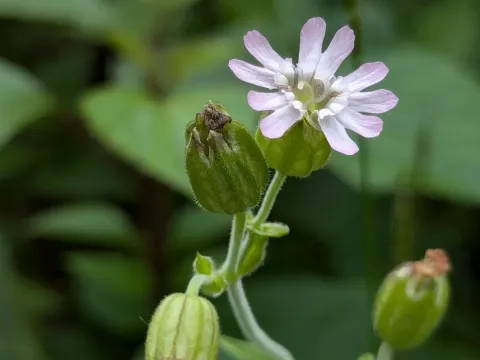
Indian catchfly
Silene indica
The Indian catchfly (Silene indica) is a unique herbaceous species belonging to the Caryophyllaceae family. Naturally originating from the high-altitude regions of the Himalayas, this plant is characterized by its resilience in rugged, mountainous environments.
What the section contains
Indian catchfly
To successfully cultivate this species, it is essential to replicate its natural substrate preferences. The soil must be exceptionally well-draining, ideally a rocky or sandy mix, as the roots are highly susceptible to rot when exposed to prolonged dampness or stagnant water.
The plant thrives in cool, temperate climates and requires abundant sunlight to maintain its compact, healthy growth habit. Extreme humidity is generally unfavorable, as it promotes foliage diseases and weakens the plant's structural integrity during the growing season.
Agricultural management for Silene indica involves careful monitoring of moisture levels rather than intensive fertilization. Minimal application of low-nitrogen fertilizers is recommended, as over-fertilization can result in weak, floppy stems and reduced flowering potential.
The species serves primarily as a specialized decorative plant for rock gardens and botanical collections. Its botanical value lies in its adaptation to alpine conditions, offering a distinct aesthetic appeal for enthusiasts of rare mountainous flora.