
Hyssop-leaved pink
Dianthus hyssopifolius
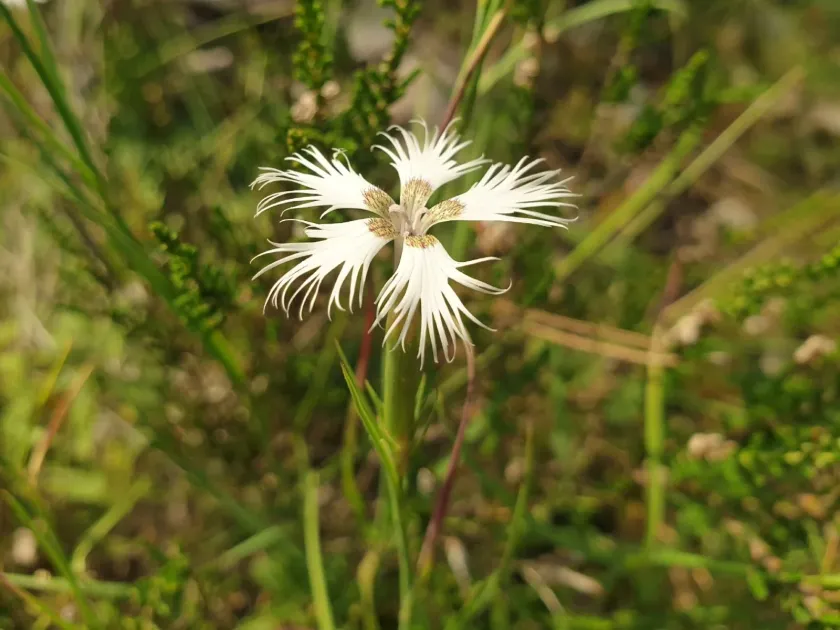
Description
Sowing dates
Seeds of Dianthus hyssopifolius are typically sown in early spring, usually March or April, in prepared seed trays or greenhouses. The optimal temperature for germination is between 18 and 20 degrees Celsius.
When sowing directly into open ground, the timing is shifted to late May to ensure all risks of late spring frosts have passed. Seeds should be sown at a very shallow depth, no more than 0.5 cm, as they require light to stimulate the germination process.
A seedling method is generally preferred as it produces stronger plants with a robust root system before transplantation. Pricking out is performed once the first two or three true leaves have developed.
For large-scale cultivation, maintaining proper spacing is crucial to ensure air circulation and prevent fungal outbreaks. A spacing of 25–30 centimeters between plants is recommended.
While the duration from sowing to flowering can vary, the plant typically reaches its full potential and forms a dense, attractive mat by the second growing season.
Growing requirements
Dianthus hyssopifolius is a perennial herbaceous plant belonging to the Caryophyllaceae family. Naturally, it inhabits mountainous regions of Southern Europe, where it thrives in rocky, well-draining substrates.
The plant has high light requirements; for vigorous growth and profuse flowering, full sun is necessary. Growing in shaded areas results in leggy stems and poor bloom quality.
The soil must be well-drained with a neutral to slightly alkaline pH. Waterlogged soil is detrimental to its health, making the provision of drainage layers essential in heavier soil types.
This species is highly winter-hardy and well-adapted to the harsh climates of alpine zones. However, in regions with little snow cover, light protection with spruce branches can prevent winter damage.
Maintenance is relatively straightforward: the plant requires consistent weeding and supplementary irrigation only during prolonged dry spells to maintain the turgidity of the stems.
Main diseases and pests
Fungal diseases are the primary threat to Dianthus hyssopifolius, especially under conditions of high humidity and poor air circulation around the foliage.
Diseases such as Fusarium wilt and Alternaria leaf spot can cause unsightly damage or stem collapse. Preventive application of broad-spectrum fungicides is often employed to mitigate these risks.
Among pests, spider mites and aphids are the most frequent visitors. They extract cell sap, leading to distorted leaves and a reduction in the overall vigor of the plant.
Regular monitoring of the planting site and immediate intervention with appropriate insecticides upon detecting the first signs of infestation are vital for effective management.
Maintaining a precise watering routine that avoids wetting the foliage is the best cultural practice for keeping the plants healthy and resistant to common pathogens.