
Hybrid catchfly
Silene hybrids
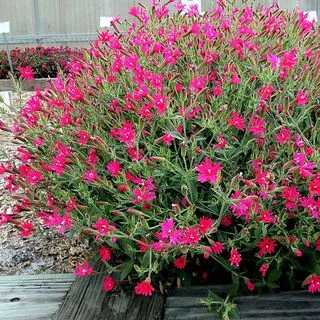
Description
Sowing dates
Sowing of Silene hybrids in open ground is best carried out in spring, once the soil has warmed up, typically in April or early May. Starting indoors as seedlings in late February or March is also an effective way to ensure early flowering.
For outdoor sowing, seeds should be covered lightly with fine soil as they require some light for optimal germination. Keeping the seedbed consistently moist during this period is essential for successful seedling emergence.
Late autumn sowing is also a viable option in milder climates, allowing for natural stratification of the seeds. This method often results in stronger, more robust seedlings that bloom during the following season.
Maintaining a temperature range of 18–20 degrees Celsius is ideal for early development. Once seedlings emerge, they should be thinned to a spacing of 20–30 centimeters to ensure adequate room for growth and ventilation.
Early maintenance involves consistent weeding, as young Silene plants can be sensitive to competition from aggressive weeds. A clean growing space allows for faster establishment of the root system.
Growing requirements
Silene hybrids belong to the Caryophyllaceae family and are popular for their graceful appearance. They thrive in sunny locations, though they can tolerate partial shade in regions with very intense summer heat.
Well-drained, fertile soil is a primary requirement for this crop. The plant does not tolerate waterlogging, so incorporating sand or gravel in heavier soils is highly recommended to improve drainage.
Regular watering is required, particularly during the active growth phase. However, the soil surface should be allowed to dry slightly between watering sessions to prevent root diseases caused by excess humidity.
Fertilization with a balanced mineral formula in the spring encourages healthy foliage production. A second application focused on potassium and phosphorus mid-season helps support flower bud development and winter hardiness.
Winter care is essential, especially in colder zones. Adding a layer of organic mulch, such as pine bark or straw, around the base of the plant helps insulate the root system against sudden temperature fluctuations.
Main diseases and pests
The primary threats include fungal diseases like root rot and leaf spots, which usually manifest in conditions of poor air circulation and excessive dampness. Improving spacing and drainage is the best preventive strategy.
Aphids are the most common pests, targeting the tender tips and developing buds. Treatment with mild insecticidal soaps or systemic pesticides is effective if infestations are detected early.
Spider mites may appear during prolonged hot and dry weather. Keeping the foliage clean and maintaining adequate soil moisture can deter these pests, though specific acaricides may be needed for severe cases.
Larvae of various insects can feed on the leaves, impacting the plant's aesthetic value. Manual removal or the use of biological control agents is recommended for sustainable management in home gardens.
General hygiene, such as pruning faded flowers and removing decaying plant matter, is crucial. This practice significantly reduces the risk of pathogens surviving over the winter and infecting the plant next year.