
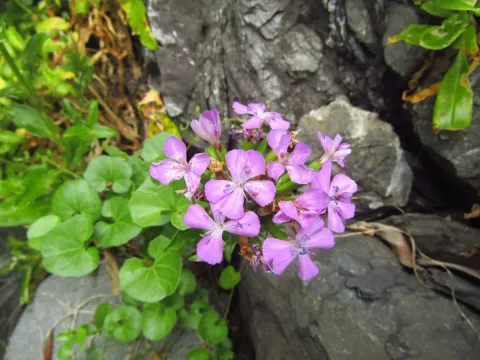
Japanese pink
Dianthus japonicus
Seeds of Dianthus japonicus should be sown in late winter or early spring in a seed-starting tray. Use a light, well-draining soil mix and keep the temperature around 20 degrees Celsius for optimal germination success.
What the section contains
Japanese pink
For outdoor sowing, wait until the soil has warmed up in late spring. Surface sowing is recommended because the seeds require a small amount of light to germinate effectively, so cover them only lightly with fine vermiculite or sand.
Keep the soil consistently moist but never waterlogged during the initial stages. Germination typically occurs within two weeks, provided the conditions are kept stable and the environment is well-ventilated.
Once the seedlings develop their first true leaves, prick them out into individual pots. This allows the root system to strengthen before the plants are eventually hardened off and moved to the garden bed.
Transplanting into the permanent garden spot is best done after the risk of frost has passed. Space the plants approximately 25 to 30 centimeters apart to ensure each specimen has enough room to mature.
Dianthus japonicus is a member of the Caryophyllaceae family, originating from the rocky coastal regions of East Asia. This perennial plant thrives in sunny environments and prefers well-drained, slightly alkaline soil.
Full sun is essential for the healthy growth and vibrant flowering of this species. In shaded conditions, the stems tend to become weak and elongated, which significantly reduces the overall aesthetic appeal of the plant.
Soil structure should be sandy or gritty to prevent water stagnation, which is one of the primary causes of root rot. In heavy clay soils, incorporating organic matter and gravel is necessary to improve drainage.
Regular maintenance involves light fertilizing with phosphorus-rich nutrients during the active growing season. This helps stimulate bud formation and maintains the plant's health throughout the hot summer months.
Watering should be moderate, allowing the soil to dry slightly between sessions. Japanese pink is relatively drought-tolerant once established, making it a great candidate for rock gardens and borders.
Spider mites and aphids are the most common pests that affect the health of Dianthus plants. These pests feed on the sap, causing leaf discoloration and stunted growth, especially in dry, warm conditions.
Fungal diseases like rust or leaf spot can occur if the plants are crowded or if there is poor airflow around the foliage. Ensuring sufficient spacing between plants is the best preventative measure against these infections.
Root rot is a major threat caused by overwatering or poor soil drainage. If the leaves start to yellow and the base of the stem turns brown, it is a sign that the moisture levels must be reduced immediately.
Preventative use of fungicides might be necessary in humid climates to protect the foliage. Always remove any dead or infected plant material to prevent the spread of fungal spores across the garden area.
Regular monitoring of the foliage and stems helps in early detection of potential threats. By identifying problems early, you can manage them with mild biological solutions rather than strong chemicals.