
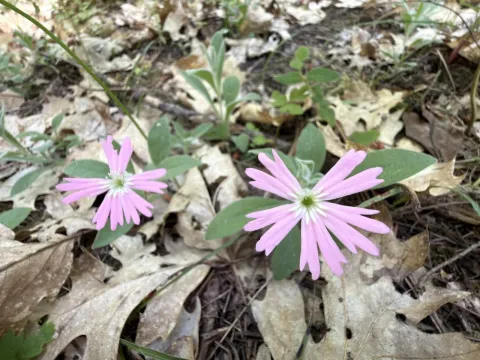
Hooker's catchfly
Silene hookeri
Hooker's catchfly is a perennial herbaceous plant from the Caryophyllaceae family that typically propagates through seeds in the early spring. Successful germination often requires a period of stratification to mimic natural environmental cycles and break seed dormancy.
What the section contains
Hooker's catchfly
Seeds should be sown in a well-draining, lightweight substrate that promotes optimal aeration and moisture regulation. Covering the seeds with a very thin layer of soil is recommended, as they often require light to trigger the initial stages of germination.
Once seedlings emerge, they must be kept in a controlled environment with steady temperatures and moderate moisture. It is crucial to avoid excessive watering, which can lead to damping-off disease, a common issue in young seedlings of this species.
Transplanting into the permanent garden site should occur once the plants have developed a robust root system and several sets of true leaves. This ensures that the young plants are capable of adapting to the external soil conditions and competition.
Proper spacing is vital during planting to ensure adequate airflow around the foliage, which reduces the risk of fungal infections later in the growing season. Early growth stages are critical, and attentive monitoring is required for the best establishment.
Native to the mountainous regions of North America, Hooker's catchfly thrives in environments with poor, rocky, or sandy soils. It is well-adapted to neutral or slightly acidic conditions and generally requires very little supplemental fertilization.
A key requirement for successful cultivation is excellent drainage; the plant cannot tolerate waterlogged soils, which frequently cause root rot. Adding grit or coarse sand to the planting hole can significantly improve the survival rate in less ideal soil types.
The species prefers cool, moderate climates and dislikes extreme summer heat combined with high humidity. Providing partial shade or dappled sunlight is ideal to prevent heat stress and maintain the vivid coloration of its delicate flowers.
In terms of irrigation, the plant is relatively drought-tolerant once established but needs consistent, light watering during its peak growth phase. Over-watering is consistently more dangerous for this species than short periods of drought.
Overall, agricultural practices for this plant should focus on recreating its natural habitat conditions. Minimal soil disturbance and the use of natural mulch can help regulate soil temperature and moisture levels without over-fertilizing.
The primary threats to Hooker's catchfly include various fungal diseases that thrive in high-humidity conditions or poorly ventilated garden areas. Powdery mildew and foliage spots are common occurrences that require immediate intervention if observed.
Insect pests, including aphids and leaf-eating beetles, can cause significant damage to the plant's delicate stems and flowers. Regular inspections are necessary to identify early signs of infestation and apply appropriate biological or chemical controls.
Root rot caused by stagnant water is the most frequent fatal issue for this plant, especially in regions with heavy, clay-based soil. Ensuring proper site selection and drainage management is the best way to mitigate this significant agronomic threat.
Using fungicides as a preventive measure during the early spring growth period can reduce the likelihood of fungal infections. It is important to select products specifically labeled for use on herbaceous ornamentals and follow all safety instructions.
General hygiene, such as removing fallen leaves and spent plant material, helps prevent the build-up of pests and pathogens. Maintaining a clean garden environment promotes plant vigor and significantly reduces the need for heavy chemical treatments.