
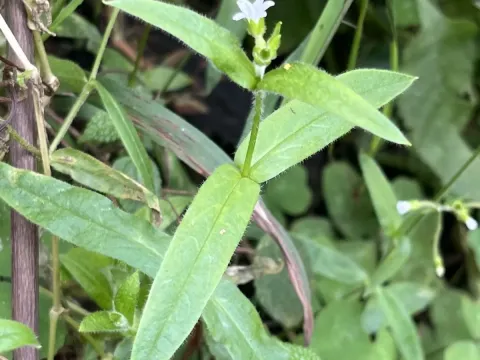
Indian chickweed
Cerastium indicum
Indian chickweed (Cerastium indicum), a member of the Caryophyllaceae family, is typically propagated by seeds. Sowing is best performed in early spring when the soil starts to warm up.
What the section contains
Indian chickweed
Seeds can be sown directly into well-prepared garden soil or started in trays under controlled conditions. Surface sowing is recommended as the seeds require light to germinate effectively.
When starting indoors, temperatures of approximately 18 to 20 degrees Celsius are optimal. Seedlings should be hardened off before being transplanted to their final location in the garden.
The spacing between individual plants should ideally be maintained at 20 centimeters to allow enough room for horizontal growth and proper airflow throughout the canopy.
Regular but light watering is essential during the germination phase, ensuring that the soil remains moist but not waterlogged to prevent the seeds from decaying prematurely.
This species thrives in full sun, which is essential for maintaining its compact growth habit and encouraging abundant flowering throughout the peak season.
Soil requirements for Cerastium indicum include excellent drainage and a neutral to slightly alkaline pH. It is highly adaptable to rocky or sandy soils that do not retain excess water.
While the plant is quite drought-tolerant once established, it benefits from occasional irrigation during prolonged heat waves to prevent leaf scorching and stress.
Fertilization should be kept to a minimum. Excessive nitrogen inputs often cause the plant to become leggy and less attractive, reducing its ornamental value.
Maintenance tasks include trimming after the flowering period to remove spent blooms, which helps in maintaining a neat appearance and encourages healthier growth in the following season.
The primary threats to Cerastium indicum are fungal pathogens, specifically those causing root rot and damping-off, which are triggered by stagnant water and poor drainage.
Pests such as aphids and spider mites can occasionally affect the plant, particularly if it is stressed by improper watering or poor environmental conditions.
To minimize disease risks, it is important to ensure that the area around the plants is free of debris and that there is adequate space for air circulation between clusters.
In cases of infestation, biological control agents or targeted insecticides can be applied, provided that they are safe for use on herbaceous ornamental species.
Monitoring the foliage for signs of chlorosis or wilting is key to early detection of problems, allowing for prompt intervention before the entire plant is compromised.