
Hybrid soapwort
Saponaria hybrids
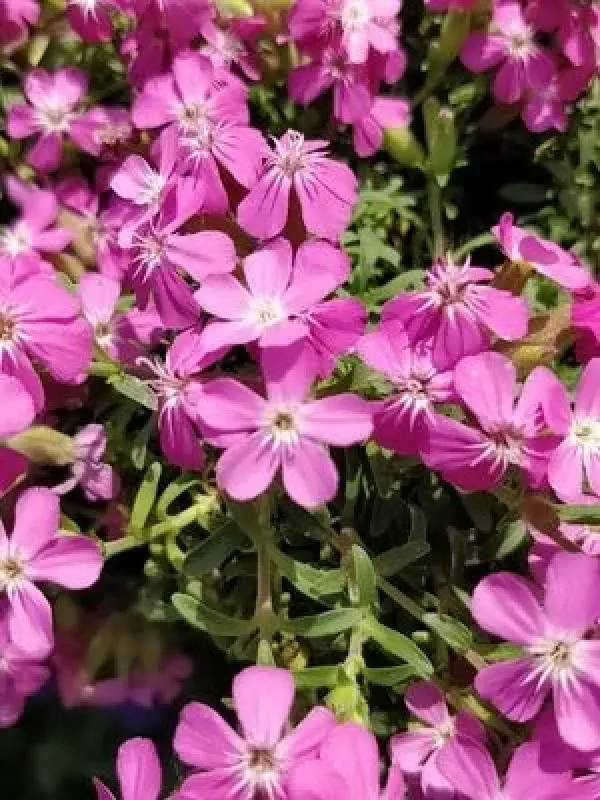
Description
Sowing dates
Sowing seeds of Saponaria hybrids in open ground is typically performed in early spring or late autumn, depending on the climatic zone of the region.
For container-grown seedlings, seeds should be sown in March using a well-draining substrate, ensuring they are only lightly covered with soil.
Germination requires a consistent temperature of approximately 18–20°C and adequate access to ambient light to prevent seedling etiolation.
Transplanting the seedlings to their permanent outdoor location should take place after the last spring frost risk has passed.
Spacing between plants should be maintained at 25–30 cm to allow for healthy airflow and structural development of the foliage mats.
Growing requirements
Hybrid soapwort belongs to the Caryophyllaceae family and is well-regarded for its decorative appeal and biological properties.
This crop thrives in full sun and prefers light, calcareous, and well-drained soils, showing excellent tolerance for drought conditions.
Soil pH levels ranging from neutral to slightly alkaline are ideal for ensuring optimal nutrient uptake and long-term plant health.
Minimal moisture is required during the vegetative phase, making it a suitable choice for rock gardens and dry landscaping projects.
Maintenance involves removing spent flower stalks to encourage secondary blooming periods and manual weeding in the early stages of growth.
Main diseases and pests
Root rot is the most common physiological challenge, typically caused by waterlogged soils or excessive irrigation during cool weather.
Common pests include spider mites and aphids, which are most active during dry summer months and can sap energy from the plant foliage.
Fungal diseases like powdery mildew can appear if the plants are overcrowded and lack sufficient ventilation between the clumps.
Effective management involves thinning the plants periodically to maintain proper circulation and monitoring for early signs of infestation.
- Remove and destroy any heavily infested plant debris.
- Apply targeted treatment if pest populations exceed economic thresholds.
- Avoid overhead watering to minimize the risk of foliar fungal pathogens.
Harvesting
The agricultural importance of hybrid soapwort is centered on its roots and foliage, which are rich in natural surfactants known as saponins.
Harvesting of the vegetative parts is done during the flowering stage, while root harvesting is carried out during the plant's dormancy phase.
Roots should be carefully excavated, washed to remove soil particles, and processed immediately to prevent degradation of active compounds.
Drying is performed in controlled, shaded environments with high air turnover to ensure that the chemical properties remain potent.
Once dried, the plant material serves as a natural ingredient for detergents, soaps, and specialized botanical extracts.