
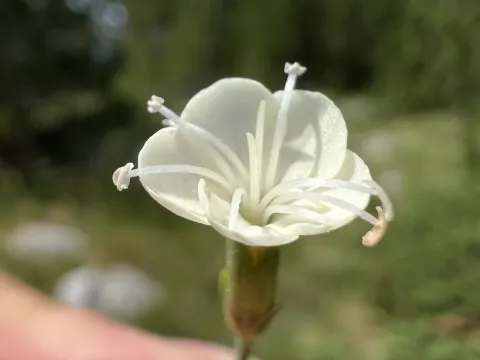
Integer pink
Dianthus integer
Sowing seeds of Dianthus integer is best performed in the early spring, ensuring the soil has warmed sufficiently to support germination. For more advanced propagation, greenhouse sowing in late winter is recommended to establish a strong root system before transplantation.
What the section contains
Integer pink
Seeds should be covered with a fine layer of substrate, keeping the soil moist but not waterlogged. The germination process requires stable temperatures between 18 and 20 degrees Celsius to ensure high sprout uniformity.
Pricking out occurs once the seedlings have developed two sets of true leaves, moving them into individual containers. This phase of growth requires careful monitoring of light levels to prevent etiolation of the young stems.
Hardening off is a critical stage before planting out in the open field, gradually introducing the plants to external environmental conditions. This practice ensures better survival rates once they are settled in their permanent location.
As a member of the Caryophyllaceae family, this species thrives as a perennial and is prized for its resilience and uniform growth habit in diverse landscape settings.
Dianthus integer requires a location with full sun exposure to maintain its compact habit and prolific flowering. Shaded locations are generally unsuitable, leading to leggy growth and increased susceptibility to pests.
Soil requirements focus on excellent drainage and a neutral to slightly alkaline pH. The plant performs exceptionally well in stony or gravelly substrates that mimic its natural mountainous or steppe habitats.
Irrigation should be managed carefully, providing water only during prolonged dry spells. The root system is sensitive to water stagnation, making proper soil preparation a fundamental step for long-term successful cultivation.
Fertilization should be balanced, focusing on promoting bud development during the pre-flowering stage. Excessive nitrogen should be avoided to prevent weak tissue growth that may become prone to fungal attacks.
Climatic adaptability is a significant benefit of this species, as it maintains hardiness in varied zones, making it an excellent candidate for sustainable, low-maintenance landscaping projects.
Root rot remains the primary threat, usually triggered by poor drainage or excessive humidity levels during the summer months. Proactive soil management is the most effective defense against these pathogenic issues.
Foliar diseases such as rust can appear if the plant density is too high, preventing sufficient airflow. Pruning and spacing are essential cultural practices to mitigate the risk of these infections throughout the growing season.
Pests including spider mites and aphids are frequently observed, particularly in dry conditions. Regular monitoring of the foliage ensures that localized outbreaks can be treated before they spread across the entire plot.
Integrated pest management, including the use of neem oil or targeted biological agents, helps maintain plant health without disrupting the surrounding ecosystem. Chemical interventions should be limited to severe cases.
Overall, maintaining strict sanitary practices, such as removing dead organic matter from the base of the plant, significantly lowers the likelihood of severe infestations or disease pressure.