
Silene compacta
Silene compacta
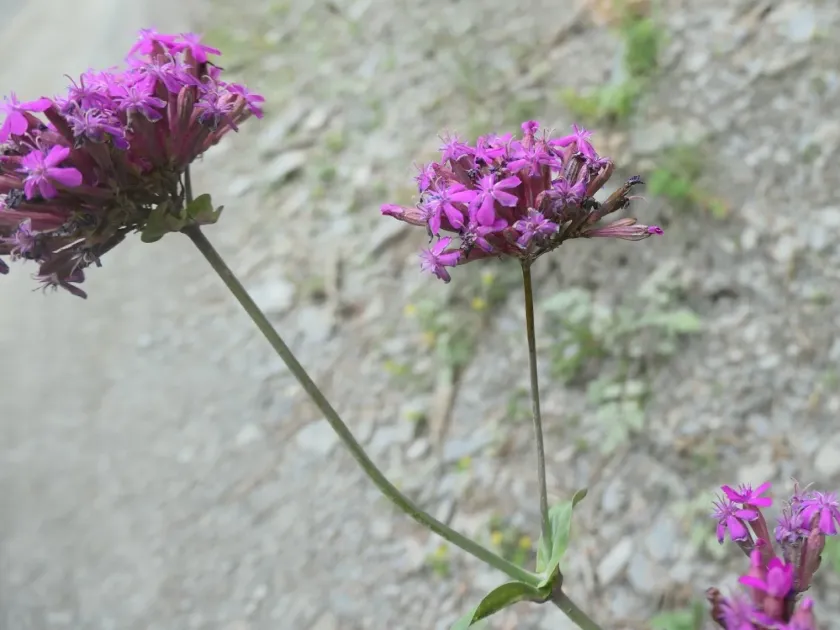
Description
Sowing dates
Silene compacta belongs to the Caryophyllaceae family and is commonly grown from seeds. Sowing is typically performed in late autumn or early spring into a prepared seedbed.
When starting seeds indoors, use a well-draining potting mix. The seeds are very fine and should be pressed into the surface rather than buried deep, requiring light to germinate properly.
Transplanting to the garden should occur once the danger of frost has passed. Young plants need careful handling to avoid disturbing the root system during the move to their permanent location.
Proper spacing is crucial for this species. Planting specimens 30 to 40 cm apart allows the plant to develop its signature dense, compact form without competing for sunlight.
The germination period usually spans 2 to 3 weeks depending on the temperature. Maintaining consistent moisture during this period is the key to achieving a high success rate.
Growing requirements
This plant thrives in full sun, which is essential for maintaining its structural integrity and promoting abundant flowering throughout the summer season.
Soil quality should be moderate; however, excellent drainage is non-negotiable. Silene compacta will not tolerate waterlogged conditions, which can lead to crown rot.
While the plant is moderately drought-tolerant once established, it requires regular irrigation during prolonged heatwaves to sustain its vibrant color and health.
Fertilization with a balanced NPK fertilizer in the early stages of growth will provide the necessary nutrients for robust stem development and lush foliage.
Weed control around the base of the plant is vital. Because of its compact habit, it can easily be outcompeted by aggressive weeds, so mulching or regular weeding is recommended.
Main diseases and pests
Powdery mildew is a common issue when humidity levels are high. Ensuring proper air circulation around the plants is the most effective preventative measure.
Root rot can occur if the soil is too heavy or if irrigation is excessive. Using coarse sand or fine gravel in the planting hole can improve drainage and mitigate this risk.
Aphids are the most frequent insect pests, often attacking the tender growth tips. Early intervention with insecticidal soap is usually sufficient to resolve minor infestations.
Spider mites may appear during very hot and dry conditions, causing leaves to appear speckled and dull. Increasing humidity or using appropriate miticides can control these pests.
Regular monitoring for signs of stress or pests ensures that small problems do not escalate into widespread issues that could compromise the aesthetic value of the garden.