
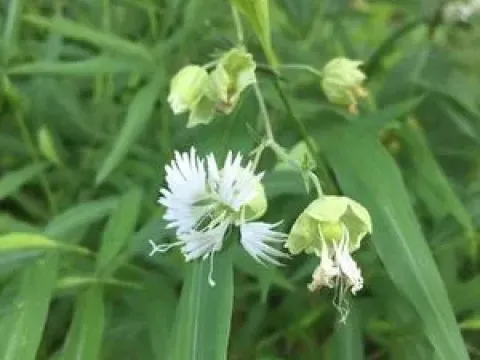
Silene commelinifolia
Silene commelinifolia
Silene commelinifolia is a perennial herbaceous plant belonging to the Caryophyllaceae family, naturally adapted to rocky habitats and mountainous regions.
What the section contains
Silene commelinifolia
Sowing should be performed in early spring when the ground temperature becomes stable, ensuring favorable conditions for seed germination and root development.
The seeds are small and light-sensitive, which means they should be placed on the surface of the soil with only a light dusting of substrate for stabilization.
In temperate climates, indoor propagation in late winter is highly effective to ensure the seedlings are robust enough for hardening off before transplanting.
Maintaining a consistent environment for germination, including adequate moisture levels and indirect light, is essential for achieving a high success rate.
The plant requires well-drained, porous soil that mimics its native habitat; sandy or gritty soil textures are highly recommended to prevent waterlogging.
It thrives in full sun exposure, as it is physiologically adapted to high-altitude radiation and warm, dry climates typical of its origin.
The species is exceptionally drought-tolerant once established, requiring very little supplemental watering throughout the growing season.
Neutral to slightly alkaline soil pH is optimal for nutrient uptake, and the plant generally does not require intensive fertilization programs.
Proper spacing is crucial to prevent competition for resources and to facilitate necessary airflow around the foliage to maintain plant health.
Fungal pathogens such as root rot and mildew represent the primary threats, particularly in regions with high humidity or stagnant air conditions.
Aphids are the most common insect pests that infest the plant, targeting young buds and foliage, which can stunt the growth of the specimen.
Spider mites can become a significant issue during periods of extreme heat or lack of humidity, often causing chlorosis and weakening the plant's structure.
Preventive measures include regular inspection of the leaves and stems, as well as maintaining a dry surface layer of soil to discourage pest breeding.
If chemical intervention is necessary, targeted biological control agents or soft pesticides are preferred to ensure the plant's health and environmental safety.