
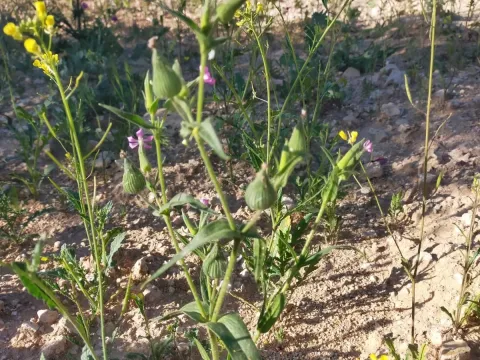
Silene conoidea
Silene conoidea
Silene conoidea is an annual herbaceous plant that acts as a significant weed in various agro-ecosystems during the spring growing season.
What the section contains
Silene conoidea
Seed germination typically occurs in early spring, triggered by the warming of the upper soil layers and adequate moisture availability.
The plant exhibits rapid initial development, allowing it to compete successfully with early-sown grain crops for essential nutrients and space.
Its life cycle is closely synchronized with the growth of major field crops, ensuring the plant reaches maturity before the harvest season begins.
Emergence patterns are generally concentrated in the spring months, making seedling control the most critical stage for successful weed management.
The species prefers open, sunny environments where it can maximize its photosynthetic activity without being shaded by denser crop stands.
It thrives in well-drained, fertile soils with a neutral pH, reflecting the standard ecological preferences of the Caryophyllaceae family.
While somewhat adaptable, the plant performs best in regions with stable moisture regimes during its vegetative growth phase.
Soil structure plays a vital role in its establishment, as light, well-aerated soils facilitate faster root expansion and initial growth.
High levels of soil fertility often lead to more vigorous weed growth, necessitating early intervention in crops where fertility is managed intensively.
Like many species in the Caryophyllaceae family, Silene conoidea is susceptible to various fungal pathogens that can inhibit its development.
Aphids represent one of the primary pest threats, as they colonize the soft tissues of the stems and reproductive buds, causing stunted growth.
Soil-borne pests may also affect the plant's root system, though the species is generally resilient enough to survive minor physical damage.
Chemical control measures, specifically broad-spectrum herbicides, are commonly utilized to manage high populations in agricultural fields.
Integrating cultural practices, such as competitive crop planting, helps reduce the pressure from this weed species throughout the season.
The presence of Silene conoidea seeds during the harvesting of grain crops is a major issue that impacts the overall quality of the yield.
Seed contamination necessitates rigorous post-harvest cleaning and processing to meet the standards required for seed certification and sale.
Long-term seed viability in the soil seed bank makes it difficult to eradicate this species from a field once it has successfully established.
Preventative measures, such as field cleaning and the use of clean seed stocks, are essential to minimize the spread of the weed in the future.
Strategic management of harvesting equipment is also important to prevent the transport of seeds between different fields or crop areas.