
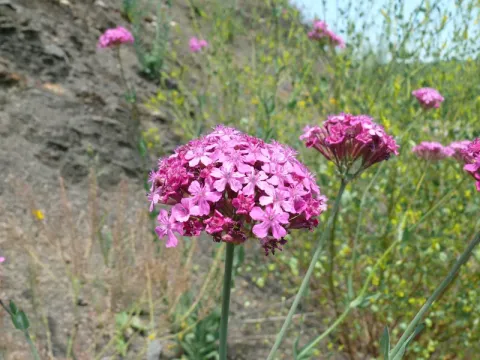
Silene congesta
Silene congesta
Silene congesta is a perennial herbaceous plant belonging to the Caryophyllaceae family. Known for its distinct dense, head-like inflorescences, it is a botanical species primarily associated with mountain ecosystems.
What the section contains
Silene congesta
The plant originates from high-altitude regions, including the Caucasus mountains. It thrives in alpine meadows and rocky terrain, having evolved to tolerate harsh environmental stressors typical of high elevations.
Botanically, Silene congesta features a basal rosette of leaves and upright stems. The foliage is typically narrow and may exhibit pubescence, which acts as a protective mechanism against extreme weather conditions and excessive transpiration.
Climate requirements for this species include high solar radiation and good air circulation. It is highly resistant to freezing temperatures, making it a robust option for rock gardens or alpine-style landscaping in temperate zones.
Soil requirements are strict regarding drainage; Silene congesta cannot tolerate waterlogged conditions. It prefers stony, sandy, or well-drained loam soils with a neutral pH, ensuring that root systems remain healthy and free from saturation.
The plant is susceptible to fungal infections, particularly powdery mildew, which can develop in poorly ventilated areas with high humidity. Proper spacing is essential to ensure adequate airflow between individual specimens.
Pests such as aphids may attack the tender growth during the early growing season. If left untreated, these infestations can weaken the plant and reduce its aesthetic appeal and overall vigor.
Root rot is a major threat caused by pathogens in the soil when drainage is insufficient. Ensuring that the substrate is loose and porous is the primary method of preventing these pathological conditions.
Foliar spot diseases can occur during prolonged rainy periods. To mitigate these threats, gardeners should ensure the foliage stays relatively dry and avoid overhead watering that keeps the leaves damp for extended hours.
Chemical control involving fungicides and systemic insecticides should be used as a last resort. Integrated pest management, focusing on site selection and proper watering techniques, is the preferred approach for maintaining healthy plants.