
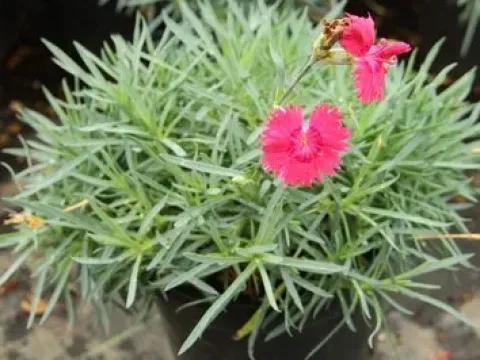
Shining pink
Dianthus nitidus
Dianthus nitidus, commonly known as the shining pink, is an herbaceous perennial plant belonging to the Caryophyllaceae family. This species is native to the mountainous regions of Central Europe, particularly found in the Carpathian range where it thrives on limestone outcrops.
What the section contains
Shining pink
The plant grows in dense, compact tufts with narrow, linear leaves that display a distinct glossy texture. The stems rise to about 20–30 centimeters, supporting delicate, fragrant flowers that typically bloom during the late spring and summer months.
Successful cultivation of this species requires well-draining, gritty or sandy soil that mimics its natural stony habitat. It performs best in alkaline to neutral soil conditions and cannot tolerate waterlogged ground, which quickly leads to root issues.
The shining pink is highly photophilous and requires a full-sun location to thrive. Insufficient light exposure will result in leggy growth, reduced foliage density, and a significant decrease in the number of flowers produced during the season.
In terms of climatic adaptability, Dianthus nitidus is cold-hardy and well-suited for temperate alpine gardens. It handles periods of moderate drought quite well due to its specialized foliage, but consistent care is needed during extreme heatwaves to prevent stress.
The primary threats to Dianthus nitidus are fungal infections, particularly those triggered by excessive soil moisture and poor airflow. Root rot and collar rot are the most frequent causes of plant decline in garden settings with poor drainage.
Powdery mildew may appear on the foliage during periods of high humidity combined with fluctuating temperatures. Preventive measures, such as avoiding overhead irrigation and maintaining spacing between plants, are essential for disease management.
Insects like aphids can colonize the developing flower buds, draining sap and hindering growth. Regular monitoring of the plant canopy allows for early intervention, often using insecticidal soaps or neem oil, which are safe for most ornamental garden species.
Slugs and snails can cause significant mechanical damage to the young leaves, especially in early spring when the plant is just starting its growth cycle. Using physical barriers like crushed shells or copper tape can effectively protect the plants from these pests.
Over-fertilization can result in lush but weak growth, making the plants more susceptible to both diseases and pests. A minimalist approach to fertilizing, focusing on well-balanced mineral content, is recommended for maintaining long-term plant health.