
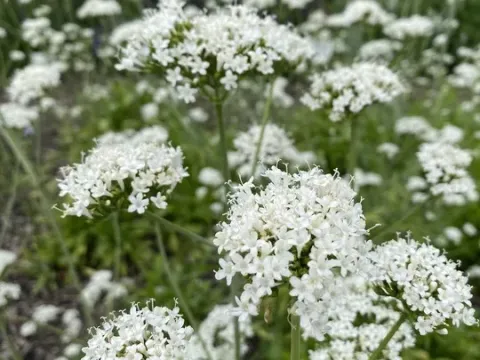
Valeriana phu
Valeriana phu
Valeriana phu is typically propagated by seeds, which are sown either in early spring or in late autumn. The optimal timing for spring planting is when the soil temperature consistently reaches 5–8 degrees Celsius.
What the section contains
Valeriana phu
Seeds should be sown shallowly, about 1–2 centimeters deep, in a well-prepared seedbed. Pressing the soil gently after sowing ensures proper contact and moisture retention, which is critical for uniform germination.
Seedlings usually emerge within 14–20 days. During this early growth phase, it is vital to keep the field free of weeds, as the young plants are sensitive to competition. Regular light hoeing promotes growth and root development.
Standard spacing between rows is between 45 and 60 centimeters. Thinning the seedlings within the rows to a distance of 15–20 centimeters ensures that each plant has enough nutrients and space to thrive.
While seed propagation is standard, vegetative division of rootstocks from plants at least three years old is also a viable method. This ensures that the progeny retain the desirable traits of the parent stock.
Valeriana phu is a perennial herb belonging to the Caprifoliaceae family. It is valued for its resilience and ability to adapt to various environmental conditions in temperate climates, preferring open, sunny locations.
The plant thrives in fertile, moisture-retentive soils with a neutral or slightly acidic pH. Avoiding heavy clay soils that are prone to waterlogging is essential to prevent root health issues throughout the growing season.
Adequate soil moisture is crucial, particularly during the rosette formation stage. Irrigation may be necessary during prolonged dry spells to prevent premature bolting, which negatively impacts root development.
Regular maintenance, including shallow cultivation to aerate the soil, is recommended. Fertilization with phosphorus and potassium is beneficial to enhance the quality and yield of the harvested roots.
The species is quite hardy and can withstand freezing winter temperatures. Applying mulch during the dormant period helps protect the root system from excessive frost in areas with harsh, snowless winters.
Root rot and fusarium are the most common fungal diseases affecting Valeriana phu, typically triggered by poor drainage or excessive soil moisture. Proper field selection is the primary preventive measure.
Pests such as wireworms and mole crickets can cause significant damage by feeding on the underground roots. Integrated pest management, including crop rotation, helps keep these populations under control.
Aphids and spider mites may infest the foliage during the summer months. Monitoring is essential, and targeted biological or chemical treatments should be applied before the infestation spreads extensively.
Maintaining proper spacing between plants ensures good air circulation, which naturally lowers the risk of fungal infections. Avoid over-fertilizing with nitrogen, as this makes the foliage more susceptible to pests.
Good sanitation practices, such as removing plant debris after the harvest, prevent the accumulation of pathogens in the soil. Using high-quality, treated seeds reduces the risk of introducing diseases to the field.
The roots of Valeriana phu are typically harvested at the end of the second or third year of growth, when the plant enters its natural senescence phase and active ingredients are at their peak.
Mechanical harvesters or digging tools are used to lift the roots. Once extracted, they must be cleaned thoroughly of soil and debris, using cold running water to avoid leaching away the essential volatile oils.
Drying the roots is a critical process, usually performed at controlled temperatures not exceeding 40 degrees Celsius. Excessive heat can degrade the medicinal components, significantly lowering the market value.
The dried raw material should be stored in cool, dark, and dry conditions to maintain its shelf life. Packaging in paper or breathable containers protects the quality of the essential oils from oxidation.
Valeriana phu is primarily used in the pharmaceutical industry for its sedative and antispasmodic properties. Its importance in modern phytotherapy keeps the demand for high-quality raw material steady.