
Valeriana wolgensis
Valeriana wolgensis
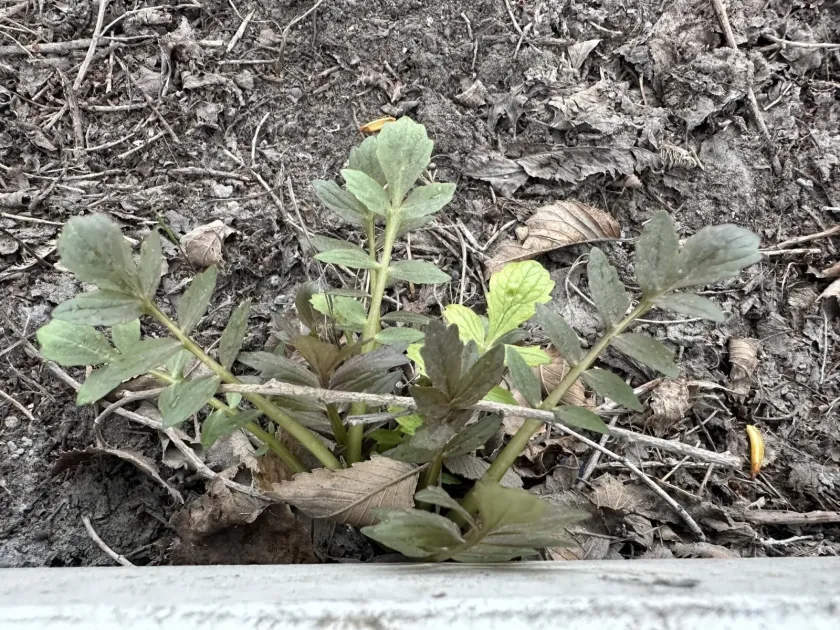
Description
Sowing dates
Valeriana wolgensis is typically cultivated as a perennial crop, with planting usually scheduled for late autumn or early spring. Seeds require a period of cold stratification to ensure a high germination rate and uniform plant emergence.
Given the small size of the seeds, they should be sown shallowly, not exceeding 1-2 centimeters in depth. Proper soil consolidation after sowing is crucial to ensure good contact between seeds and the soil.
During the first year, the plant focuses on establishing a strong basal leaf rosette and developing its root system. Adequate soil moisture during the initial growth phase is essential for long-term productivity.
In industrial settings, row spacing is generally kept between 45 and 60 centimeters. This spacing facilitates mechanical weeding and ensures that each plant receives sufficient sunlight and nutrients.
The seeding rate is usually calculated based on the purity and germination quality of the seed batch, typically ranging from 5 to 8 kilograms per hectare. Using certified seeds significantly reduces the risk of crop failure.
Growing requirements
This species thrives in moderately moist, fertile loamy or sandy loam soils. It is sensitive to waterlogging, so fields must be well-drained to prevent root damage during rainy periods.
The plant prefers open, sunny locations for optimal development of its active phytochemical components. While it is adaptable to various climates, consistent moisture is required during the budding phase.
A neutral to slightly acidic soil pH is ideal for the growth of this herb. Regular soil testing allows for the precise application of phosphorus and potassium fertilizers to boost root development.
Temperature fluctuations can influence the concentration of essential oils in the roots, making stable environmental conditions desirable. The plant is hardy, but it needs protection from extreme heat during its early developmental stages.
Rotating crops is a fundamental practice in growing Valeriana wolgensis to prevent soil-borne diseases. Cereal crops serve as excellent predecessors, providing a clean environment for new plantings.
Main diseases and pests
Root rot remains the most significant threat to the crop, often exacerbated by high humidity or stagnant water in the soil. Maintaining proper aeration and drainage is the most effective preventative measure.
Insect pests, such as wireworms, can damage the underground parts of the plant, potentially leading to stunted growth. Monitoring and biological pest control methods are preferred over broad-spectrum pesticides.
Powdery mildew is a common fungal issue that affects the leaves, especially in dense plantings with poor airflow. Thinning the plants and removing infected debris can help mitigate its spread.
Weed management is critical during the early growth stages when the herb is vulnerable to competition. Mechanical cultivation between rows is standard practice for professional growers.
Strict hygiene in field management, including the use of disease-free tools and planting material, is vital. Maintaining high plant vigor serves as the first line of defense against most biological threats.
Harvesting
The harvest of Valeriana wolgensis is ideally performed in the autumn of the second year when the root mass is at its peak. Timing is essential to maximize the concentration of active medicinal compounds.
Specialized digging equipment is utilized to extract the roots, minimizing mechanical breakage and loss. Once harvested, the roots are thoroughly cleaned and washed to remove all debris.
Drying must be conducted at controlled temperatures, ideally kept below 40 degrees Celsius to avoid degradation of heat-sensitive compounds. High temperatures will cause a significant loss of essential oils.
Post-drying, the roots are sorted and inspected to ensure the absence of mold, soil particles, or foreign plant material. Quality control ensures the final product meets pharmaceutical standards.
Storage should take place in dry, cool, and well-ventilated conditions away from direct sunlight. Proper packaging prevents moisture absorption, ensuring the shelf life of the medicinal herb remains intact.